
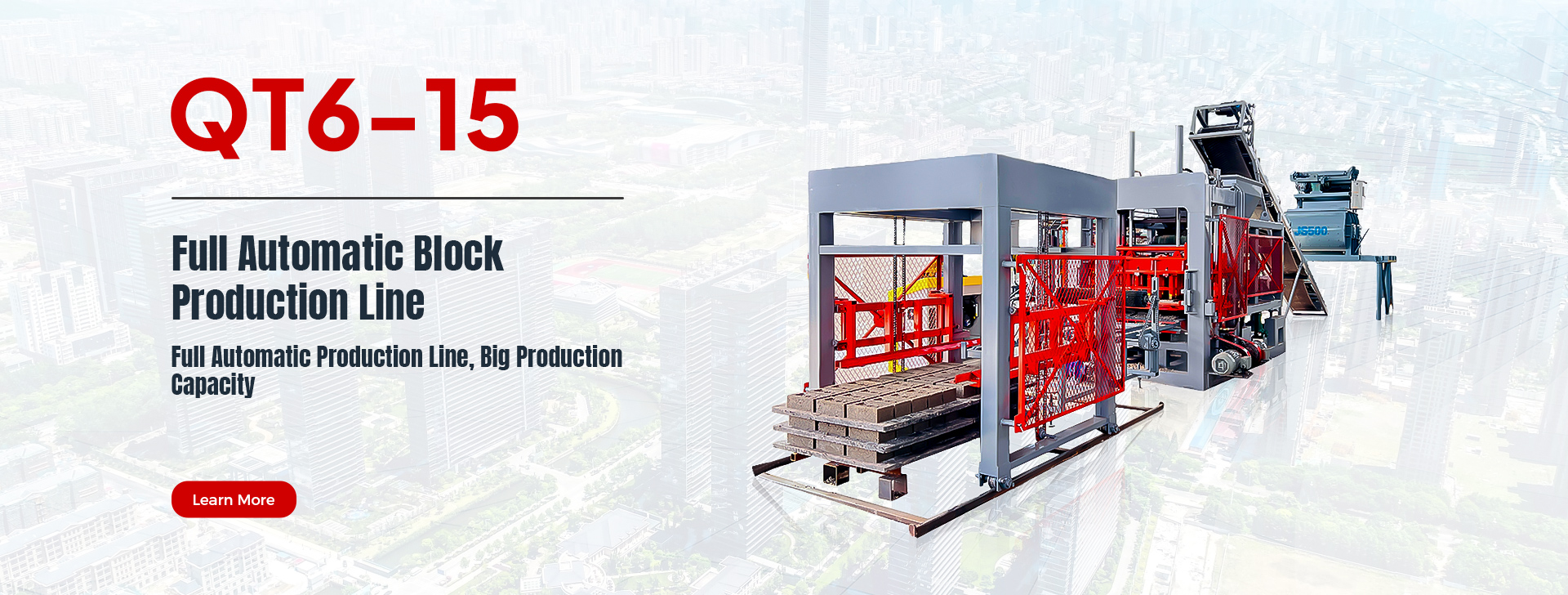
Revolutionizing Concrete Block Production through Automation
In the fast-paced world of construction, advancements in technology have ushered in a new era for concrete block manufacturing. The integration of automatic concrete block machines has significantly enhanced production efficiency, quality assurance, and sustainability. This article provides a comprehensive overview of the automated processes in concrete block production, from material preparation to market readiness.
1. Raw Material Preparation for Concrete Blocks
- 1.1 Importance of Raw Material Selection: The strength and durability of concrete blocks depend on carefully selected raw materials. Optimal particle size distribution and chemical composition are key factors influencing the quality of the final product.
- 1.2 Role of Feeders in Material Handling: Automated feeders ensure consistent delivery of materials, maintaining a uniform blend that reduces batch inconsistencies and enhances block quality.
2. The Mixing Process in Concrete Block Production
- 2.1 Proportioning of Raw Materials: Automation in proportioning ensures precise adherence to specifications, utilizing sensors and computer controls to improve structural integrity of blocks.
- 2.2 Control over Mixing Time and Sequence: Automated control over mixing parameters enhances the mechanical properties of the blocks, ensuring consistency and workability.
3. Advanced Brick Molding and Forming Techniques
- 3.1 Vibration and Pressurization Methods: Automatic machines employ innovative methods to eliminate air pockets, ensuring the density and durability of concrete blocks.
- 3.2 Air Bubble Removal Benefits: Efficient air bubble removal reduces weaknesses in blocks, contributing to higher product quality.
4. Optimized Curing for Enhanced Block Strength
- 4.1 Environmental Conditions for Curing: Controlled curing environments, facilitated by automated machines, optimize temperature and humidity for maximum strength development.
- 4.2 Impact of Curing Duration on Quality: Consistent curing times ensure each block attains its potential strength, fostering enhanced durability.
5. Efficient Demoulding for Integrity Assurance
- 5.1 Techniques for Safe Demoulding: Precision in demoulding minimizes damage risk, preserving block integrity during removal.
- 5.2 Initial Maintenance Requirements: Automation provides guidelines to enhance block durability post-demoulding, preparing them for further processes.
6. Conditioning for Optimal Block Durability
- 6.1 Maintaining Humidity and Temperature: Automated systems ensure optimal conditions, enhancing block longevity in various applications.
- 6.2 Ensuring Block Strength and Longevity: Consistent conditioning protocols yield blocks with superior strength, meeting long-term project needs.
7. Streamlined Finished Product Handling and Output
- 7.1 Packaging and Transportation Logistics: Automation secures efficient packaging and minimizes damage risk during transit, leading to cost savings.
- 7.2 Preparing Bricks for Market Readiness: Quality assurance by automatic machines ensures blocks meet standards, bolstering market confidence.
8. Automation and Its Impact on Concrete Block Production
- 8.1 Role of Advanced Control Systems: Automation allows real-time monitoring, reducing wastage and improving product quality through enhanced efficiency.
- 8.2 Benefits of Automation for Efficiency: By reducing manual labor and increasing production speed, automation contributes to a safer and more productive environment.
9. Maintaining High Standards with Quality Assurance
- 9.1 Monitoring Production Stages: Continuous monitoring ensures each production stage meets quality criteria, fostering consistent product quality and customer satisfaction.
- 9.2 Ensuring Consistency in Product Quality: Automation maintains uniformity across batches, guaranteeing high-quality products for construction needs.
10. Environmental and Economic Benefits of Automated Block Making
- 10.1 Sustainability Practices in Production: Automated machines support eco-friendly production by optimizing resources and minimizing waste.
- 10.2 Economic Benefits of Advanced Machinery: Investment in automation leads to reduced operational costs, enabling manufacturers to offer competitive pricing.
In summary, automated concrete block machines are transforming the construction industry by offering enhanced efficiency, superior quality assurance, and support for sustainable practices. Manufacturers are encouraged to collaborate with reputable companies like Changsha Aichen, a leader in innovative block production solutions.
Post time: 2025-09-03 19:06:45