
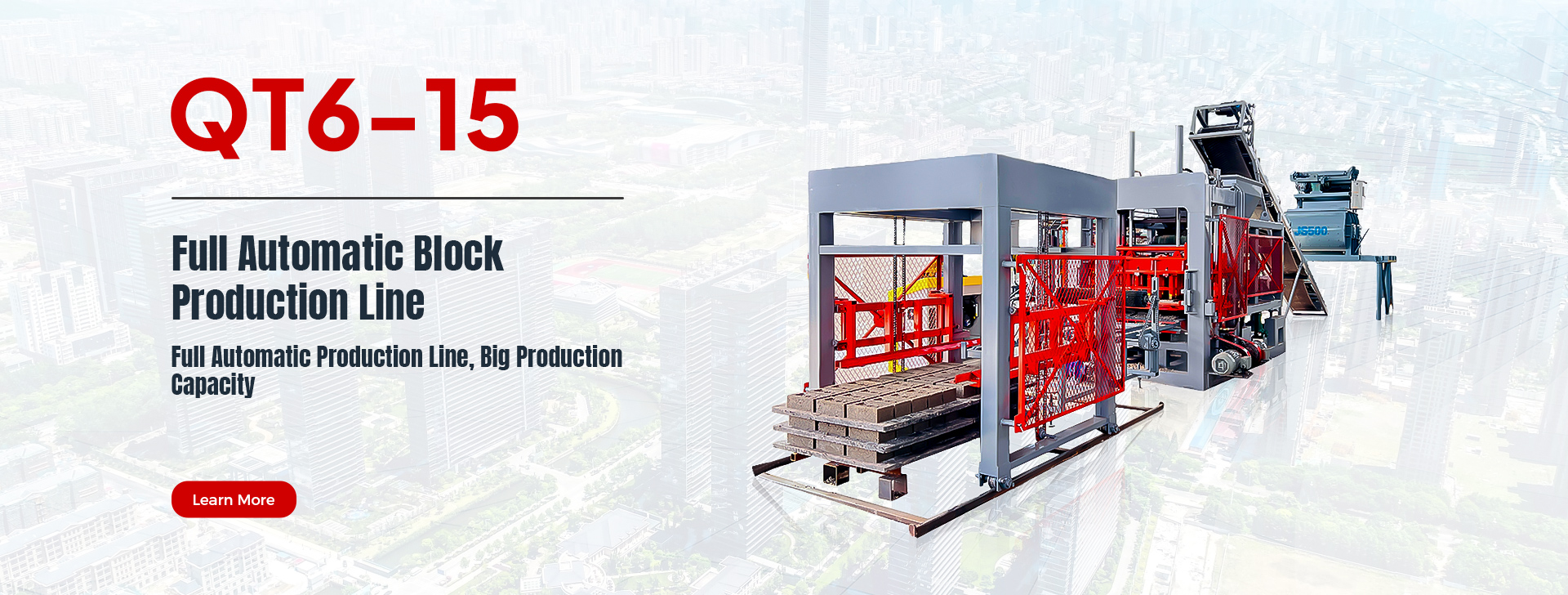
Introduction to Block Making Machines
Definition and Significance
Block making machines are specialized equipment designed to produce concrete blocks in various shapes and sizes. These machines are pivotal in modern construction, providing a steady supply of high-quality building materials. They ensure consistent, durable, and aesthetically pleasing blocks for diverse construction applications.
Common Applications in Construction
These machines are indispensable in residential, commercial, road construction, and landscaping projects. They can produce a variety of blocks, including hollow blocks, solid bricks, paving stones, and interlocking blocks, essential for walls, foundations, pavements, and landscaping features.
Key Components of Block Making Machines
Mixing Unit
The mixing unit is crucial for blending raw materials like cement, sand, water, and aggregates into a homogeneous mixture. The mix’s quality directly impacts the strength and durability of the blocks. Depending on design and application, the mixing unit may be stationary or mobile.
Moulds and Pallets
Moulds and pallets play a vital role in shaping and supporting blocks during manufacturing. Moulds come in various shapes and sizes, enabling different block types, while pallets provide stable bases during molding and curing. Precision in moulds and pallets ensures uniform and smooth blocks.
Raw Materials Used in Block Making
Types of Materials
The primary materials are cement, sand, water, and aggregates like gravel or crushed stone, mixed in specific proportions for desired concrete mix strength and durability.
Importance of Material Quality
High-quality raw materials are essential for strong and consistent blocks. Impurities or material variations can lead to weak and brittle blocks, necessitating adherence to standards and specifications. Using eco-friendly materials enhances the blocks' environmental benefits.
Mixing Process in Block Making
Mixer Types
The mixing process involves several mixer types: pan mixers, drum mixers, and planetary mixers, each suited for different production scales and block types.
Proportions and Consistency
Correct proportions and mix consistency are vital for quality blocks. The mix should balance cement, sand, water, and aggregates for optimal strength and workability. Precision measuring and regular quality checks maintain consistency.
Molding and Shaping Blocks
Types of Molding Techniques
Molding shapes the concrete mix into blocks using various techniques: manual, semi-automatic, and fully automatic methods. Hydraulic or mechanical systems press and shape blocks in semi-automatic and automatic machines.
Role of Pressure in Shaping
Applying appropriate pressure during molding ensures compact and dense blocks. Pressure removes air voids, reduces porosity, and enhances block strength, with hydraulic presses achieving high-pressure molding.
Curing Process of Blocks
Methods of Curing
Curing maintains moisture and temperature for proper cement hydration. Methods include steam curing for high-volume production, and water and natural curing for small-scale production.
Timeframes and Effects on Strength
Curing time depends on cement type, temperature, and method, typically requiring at least 7 days. Longer curing can enhance durability, preventing cracking and defects.
Automation in Block Making
Levels of Automation
Block making machines range from manual to fully automatic systems, with automation enhancing efficiency, consistency, and speed.
Advantages of Automated Systems
- Higher production rates
- Reduced labor costs
- Improved product quality
- Enhanced safety
Automated machines allow precise control, better monitoring, and quality control for consistent block production.
Quality Control Measures
Tests for Block Integrity
Quality control ensures blocks meet standards through tests like compressive strength, water absorption, and dimensional accuracy checks.
Standards and Certifications
Compliance with industry standards ensures quality and reliability, covering raw materials, production, dimensions, strength, and durability.
Maintenance of Block Making Machines
Regular Maintenance Activities
Regular maintenance activities, including cleaning, lubrication, and inspection, keep machines in optimal condition, preventing breakdowns.
Importance of Proper Upkeep
Proper machine upkeep maintains performance and efficiency, preventing costly repairs and downtime.
Future Trends in Block Making Technology
Advancements in Machinery
Innovations like automated control systems, advanced mixing and molding techniques, and energy-efficient curing shape the future of block making.
Sustainability and Eco-Friendly Practices
The industry is embracing eco-friendly practices, using recycled materials and energy-efficient processes to enhance environmental benefits and marketability.
Changsha Aichen: Your Trusted Partner in Block Making
Changsha Aichen, located in Changsha city, Hunan province, China, specializes in concrete block making machines since 1999. Offering a variety of machines and production lines, Aichen produces diverse concrete products for various applications. Committed to quality and client service, Aichen provides consulting, delivery, setup, training, and support to fulfill concrete machinery needs. Contact us for more information.
Post time: 2025-09-03 19:14:35