
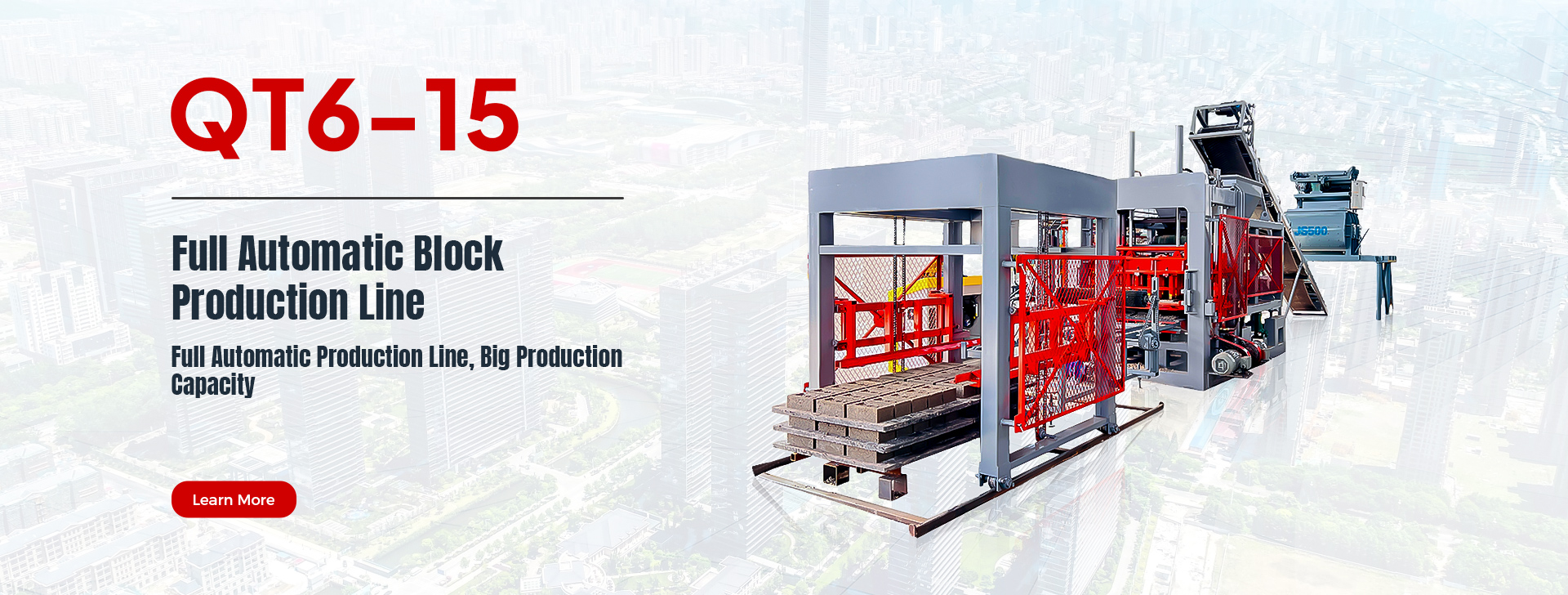
Introduction to Block Machines
Block machines are integral components in modern construction, serving as essential machinery in the production of concrete blocks. These blocks are critical units for constructing robust structures. Block machines are engineered for efficiency and precision, transforming raw materials like cement, sand, gravel, and water into firm, consistent blocks.
Importance in Construction
The construction industry heavily relies on block machines for producing uniform and durable blocks that form the backbone of various structures such as residential homes, commercial buildings, and infrastructural projects. Machines streamline block-making, increasing productivity and ensuring blocks meet specific standards. Mobile block machines have revolutionized the industry by allowing on-site production and reducing transportation costs.
Types of Block Machines
- Manual Block Machines: Simple and hand-operated, these machines suit small-scale production with limited budgets. They require manual labor for mixing and compacting raw materials but can produce high-quality blocks when operated correctly.
- Semi-Automatic Block Machines: A balance between manual and fully automatic systems. These machines automate processes like mixing and compaction but need human intervention for material feeding and block removal.
- Fully Automatic Block Machines: Represent the pinnacle of block-making technology. Equipped with advanced control systems, these machines manage the entire production process from material feeding to block curing, ensuring quality and efficiency.
Components of a Block Machine
- Hopper and Conveyor Belt: Essential for storing and transporting raw materials to the mixing chamber automatically, reducing manual handling.
- Molding System: Comprising the mold box and tamper head, this system shapes and compacts the blocks.
- Hydraulic System: Provides uniform compaction and efficient block ejection from the mold.
- Control Panel: Manages and coordinates all operations, allowing customization and parameter setting for different block types.
Raw Materials Used
- Cement, Sand, and Gravel: Primary materials providing bulk and strength. Proper proportioning ensures desired block durability.
- Additives and Aggregates: Materials like fly ash and slag enhance block properties, offering features like thermal insulation.
- Water and Mixing: Facilitates chemical reactions vital for block formation. Precise water content is crucial for quality.
Mixing Process
- Proportioning of Materials: Essential for meeting strength and durability specifications. Automated systems reduce errors.
- Mixing Techniques: Vary by machine type. Advanced units ensure thorough and even material distribution.
- Role of Homogeneity: Crucial for consistent block quality. Advanced techniques ensure uniform ingredient distribution.
Molding and Compaction
- Molding Process Explained: Raw materials are compacted in molds, with precise procedures necessary for quality blocks.
- Vibration and Compaction Methods: Eliminate air pockets and ensure material uniformity for optimal density and strength.
- Quality Control in Molding: Ensures each block meets standards, using sensors and real-time monitoring.
Curing and Drying Blocks
- Importance of Curing: Allows blocks to reach full strength and durability through essential chemical reactions.
- Techniques for Effective Curing: Methods like steam, water, and air curing depend on block type and environment.
- Drying Time and Conditions: Optimized by automated systems to prevent cracks and ensure quality.
Automation and Technology
- Role of Automation in Block Machines: Enhances efficiency by minimizing human intervention in tasks like mixing and curing.
- Technological Advances: Introduce advanced control systems and sensors, offering versatile block production options.
- Benefits of Modern Technology: Include cost reduction, quality consistency, and increased productivity.
Maintenance and Troubleshooting
- Routine Maintenance Schedule: Crucial for longevity, involving inspections, cleaning, and part replacement.
- Common Issues and Solutions: Include block misalignment and hydraulic failures, addressed with timely troubleshooting.
- Extending Machine Lifespan: Through proper operation, quality materials, and adherence to guidelines.
Environmental and Economic Impact
- Sustainability in Block Production: Achieved by using recyclable materials and optimizing processes to reduce waste.
- Cost and Efficiency: Automated machines enhance production and reduce labor and transportation costs.
- Future Trends in Block Machines: Emphasize integration with IoT, AI, and automation for improved efficiency and sustainability.
Conclusion: Aichen - A Leader in Block Machine Innovation
Changsha Aichen, based in Hunan province, China, leads the block machine industry since 1999. With a focus on research, development, manufacture, and sales, Aichen offers a variety of machines and production lines adhering to global technology and quality standards, catering to diverse construction needs.
Post time: 2025-09-03 19:16:08