
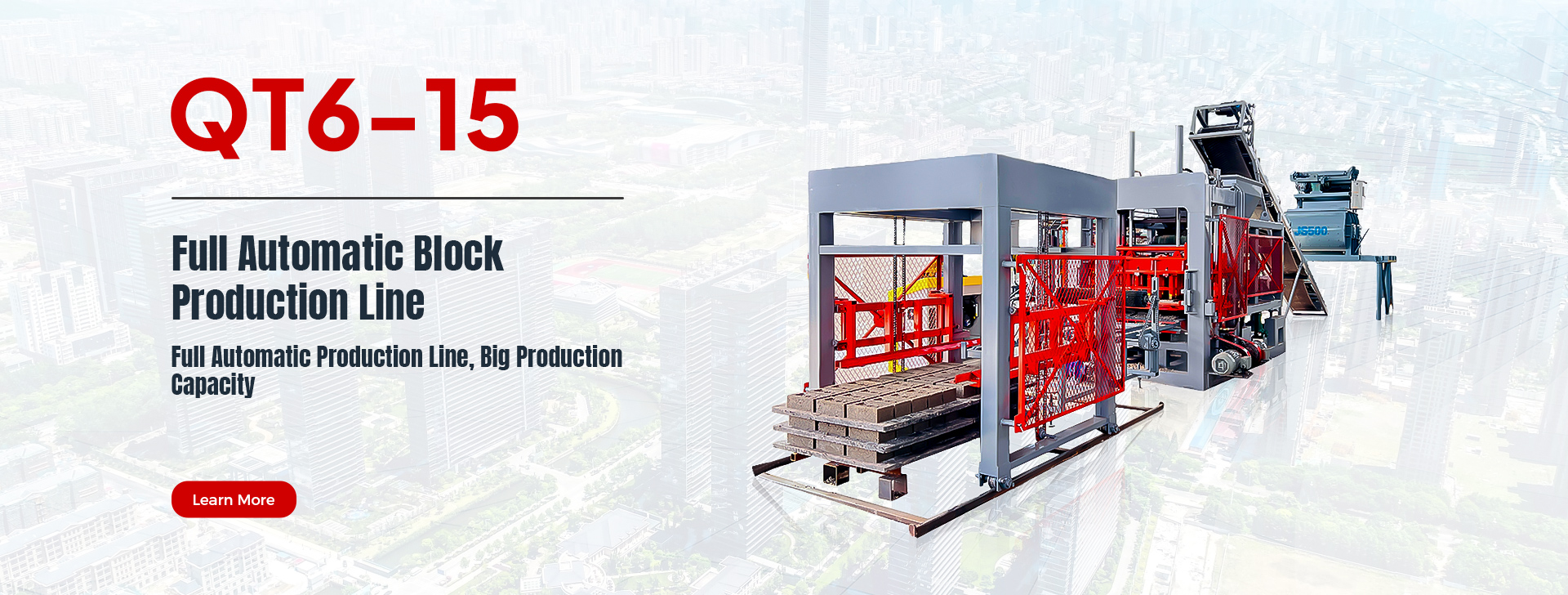
Understanding Concrete Block Machines
Concrete block machines, often referred to as concrete making machines, play a pivotal role in the construction industry. These machines are crafted to produce concrete blocks with efficiency and consistency. Over time, they have integrated advanced technologies to enhance productivity and block quality. The evolution of block machines reflects innovations aimed at streamlining the block production process, making it quicker, simpler, and more cost-effective.
Core Components of a Block Machine
-
The Hopper
The hopper is a fundamental component, acting as a storage container for raw materials before they undergo mixing. It ensures a continuous supply of materials into the mixing chamber, crucial for uninterrupted machine operation.
-
The Mixer
The mixer is the heart of the block machine, responsible for combining raw materials like cement, aggregates, and water into a consistent concrete mix, directly impacting the strength and durability of the blocks.
-
The Conveyor Belt
After mixing, the concrete is transported to the molding section via a conveyor belt, ensuring timely delivery to molds and maintaining production efficiency.
Raw Materials Used in Block Production
-
Types of Aggregates
Aggregates, whether natural or recycled like gravel, sand, or crushed stone, are pivotal in manufacturing. They influence the final block's texture and strength.
-
Cement and Additives
Cement serves as a binding agent, while additives such as fly ash, slag, and silica fume enhance the concrete's properties, improving workability and strength.
Mixing Process in Block Machines
-
Role of the Mixer
The mixer's role is to ensure thorough combination of raw materials, forming a homogeneous mix essential for block consistency and quality.
-
Importance of Mix Consistency
Consistency is vital in producing high-quality blocks. Modern mixers maintain a uniform mix to prevent structural defects and weak spots in blocks.
Molding and Shaping Blocks
-
Molding Mechanisms
Once mixed, concrete is molded into blocks of specific sizes and designs. Molding can be manual, semi-automatic, or fully automatic, based on the machine's design and capabilities.
-
Types of Mold Shapes
Various molds produce different types of blocks such as hollow, solid, paver, and interlocking blocks, allowing manufacturers to meet diverse market demands.
Compaction and Vibration Techniques
-
Importance of Compaction
Compaction removes air gaps, ensuring blocks are dense and strong, enhancing structural integrity and durability.
-
Vibration Methods
Modern machines use vibration techniques for compaction, fully settling concrete into molds for smooth surfaces and uniform density.
Curing Process for Block Strength
-
Curing Timeframes
Curing involves maintaining moisture for cement hydration, crucial for maximum strength. The timeframe varies based on block type and method used.
-
Techniques for Curing Blocks
Various techniques include steam, water, and air curing. The choice affects the blocks' final properties.
Quality Control Measures
-
Testing Block Strength
Quality control includes testing block strength using compression testing machines to measure resilience.
-
Ensuring Dimensional Accuracy
Dimensional accuracy checks ensure blocks meet specifications for size, shape, and uniformity, crucial for construction fit.
Automation and Control Systems
-
PLC Systems
Modern block machines incorporate Programmable Logic Controller (PLC) systems, automating processes like mixing, molding, and curing to enhance efficiency and consistency.
-
Advantages of Automation
Automation increases production speed, reduces labor costs, and improves quality. Automated systems can adapt to produce various block types.
Environmental and Economic Benefits
-
Resource Efficiency
Block machines use raw materials efficiently, minimizing waste and reducing environmental impact. Many can incorporate recycled materials, enhancing sustainability.
-
Cost Savings in Production
Investing in concrete machines can yield significant cost savings through energy efficiency and reduced maintenance, especially with wholesale options for large-scale operations.
Conclusion
Concrete block machines are indispensable to modern construction, offering efficient and cost-effective block production. By understanding machine operation, manufacturers can optimize production, ensuring blocks meet high standards. For investment, choosing a reputable manufacturer or supplier is crucial for quality and reliability.
About Aichen Changsha
Based in Changsha city, Hunan, China, Aichen has been at the forefront of concrete block machines since 1999, offering a diverse range of machines and production lines. Committed to high-quality and eco-friendly solutions, Aichen provides expert services for all concrete machinery needs.
Post time: 2025-09-03 19:15:15