
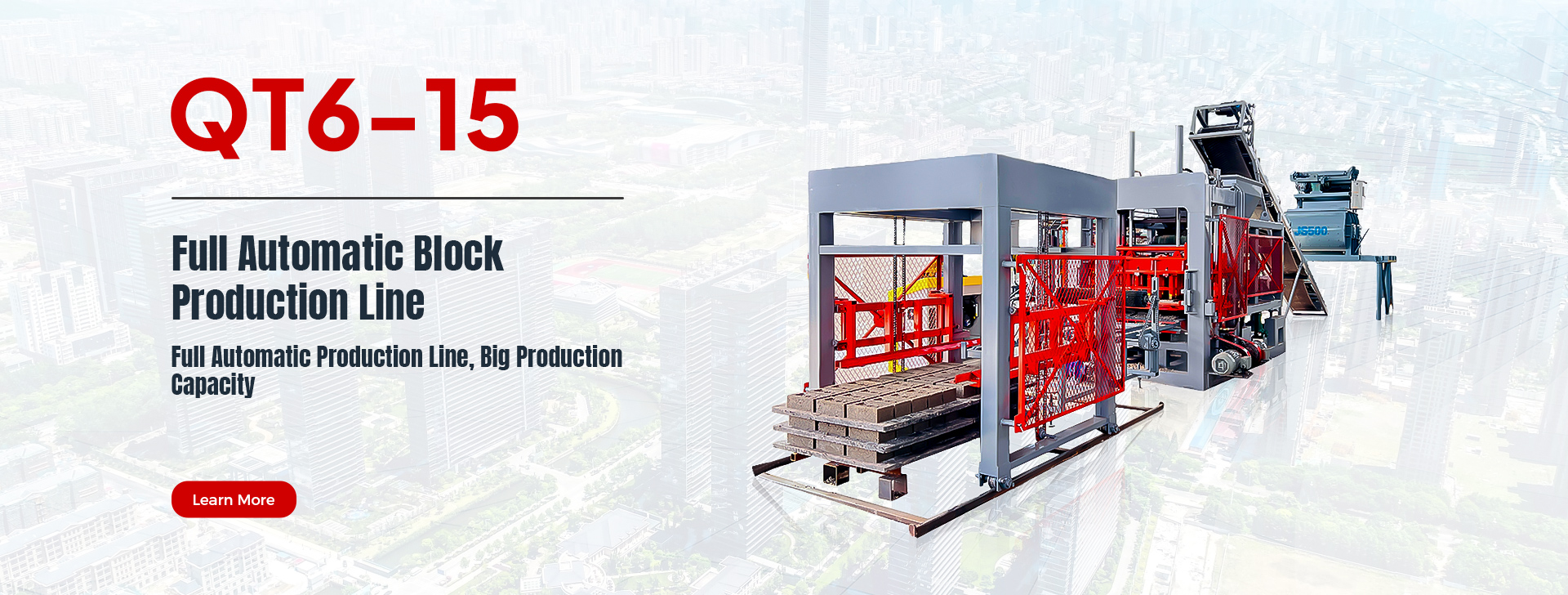
Introduction to Concrete Block Machinery's Evolution and Impact
The construction industry is rapidly transforming thanks to innovations that boost efficiency, sustainability, and aesthetics. Among these, concrete block machinery plays a crucial role. This in-depth analysis examines its historical evolution, current trends, societal impacts, economic implications, scientific advancements, environmental considerations, and ethical issues. We also introduce Changsha Aichen, a prominent industry leader.
Historical Background and Evolution
- Origins and Early Developments: Concrete block machinery dates back to the early 20th century. Initially, blocks were made manually, limiting production. The advent of machinery enabled mass production and consistency.
- Key Milestones: The mid-20th century saw automated systems increase production rates and quality. Innovations like CAD and PLCs further transformed the industry in the late 20th and early 21st centuries.
Current Trends and Innovations
- Latest Advancements: Modern machines feature sensors and automation for precision. 3D printing and AI are emerging technologies enhancing production capabilities.
- Emerging Trends: Demand for sustainable materials is rising. Manufacturers focus on eco-friendly solutions and smart factories for autonomous production optimization.
Impact on Society and Culture
- Societal Changes: Mass production of affordable, durable materials has fueled urbanization and infrastructure growth, improving living standards worldwide.
- Cultural Shifts: The adoption of concrete blocks influences architectural styles, leading to a global transformation in cityscapes.
Economic Implications and Market Dynamics
- Financial Aspects: The industry drives economic growth by meeting construction demands. Significant growth and investment reflect its crucial role.
- Market Trends: Urbanization and sustainable practices drive market demand. Manufacturers expand offerings for diverse construction needs.
Scientific and Technological Perspectives
- Scientific Discoveries: Research informs machinery design and functionality. Innovations like self-healing concrete stem from scientific exploration.
- Technological Advancements: Automation and IIoT integration streamline production and enable real-time monitoring.
Environmental and Sustainability Considerations
- Environmental Impact: Modern practices reduce waste and energy consumption, aiming to minimize environmental footprints.
- Future Challenges: Innovating to reduce carbon emissions and resource depletion remains essential. Future solutions may include carbon capture and sustainable materials.
Ethical and Legal Issues
- Ethical Dilemmas: Fair labor practices and environmental conservation balance are key ethical considerations.
- Legal Frameworks: Industry governed by regulations ensuring safety, quality, and compliance globally.
Future Prospects and Predictions
- Potential Developments: Advances in AI and smart technologies promise efficient, customizable block production.
- Expert Predictions: Demand for concrete block machinery will grow with urbanization and infrastructure needs.
Conclusion and Summary
- Recap of Key Points: Concrete block machinery has significantly evolved, impacting society, culture, and the economy. The industry remains focused on innovation and sustainability.
- Final Thoughts: Emphasizing advanced technologies and eco-friendly practices is essential for meeting growing construction demands.
About Changsha Aichen: Located in Changsha, Hunan, China, Changsha Aichen is a leading manufacturer in the concrete block machinery industry since 1999. The company produces a wide range of machines and lines, adhering to global quality standards to meet diverse construction needs worldwide.
Post time: 2025-09-03 19:08:52