
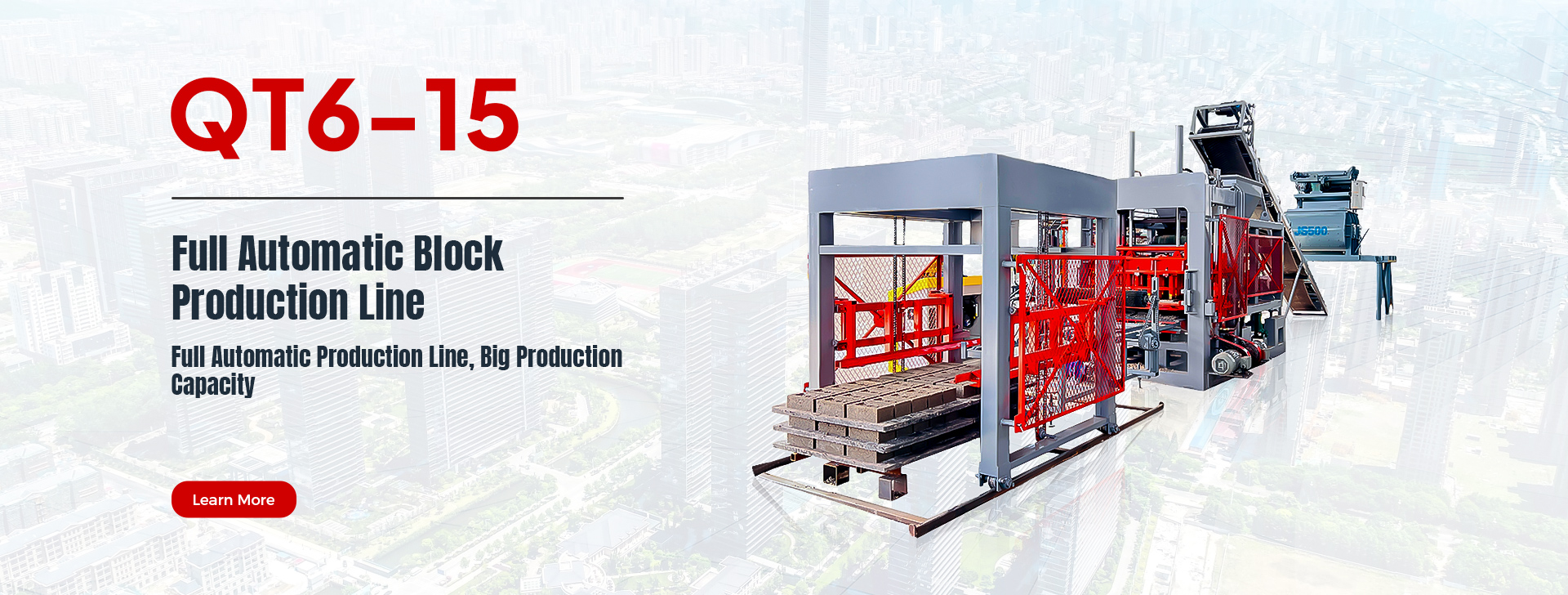
Production Capacity Considerations
When selecting a concrete block automatic machine, production capacity is a primary factor. This metric specifies the number of blocks the machine can produce per hour or day. For substantial construction projects, machines with a capacity of 5,000 to 10,000 blocks per day are ideal, offering the high production capacity necessary to meet tight project timelines and maintain a reliable supply of high-quality blocks.
Output Specifications
Evaluating daily output capabilities is crucial. Machines with a cycle time of approximately 15 to 20 seconds provide high throughput and operational efficiency. For smaller projects, machines producing 1,200 to 2,600 blocks daily achieve a cost-capacity balance.
Quality of Block Output
Block quality is critical, as it impacts construction integrity. High-quality blocks are uniform and durable, complying with specific construction standards. Machines with advanced vibration and pressure systems ensure consistency and enhance block strength.
Standards and Consistency
Select machines with adjustable vibration settings to fine-tune production, ensuring superior block surface finish and dimensional accuracy. Consistent block quality minimizes defects and waste, leading to long-term cost savings.
Ease of Operation
The machine’s ease of use influences the training and skill levels required for operation. User-friendly interfaces and automated systems reduce training needs and simplify operation.
User-Friendly Features
Features such as touch-screen panels, intuitive controls, and straightforward instructions improve the operator experience, reducing operational errors and maintaining consistent block quality.
Maintenance and After-Sales Support
Routine maintenance and access to after-sales support minimize downtime, ensuring long-term machine performance. Machines requiring minimal maintenance, backed by responsive customer support, offer significant advantages.
Spare Parts and Warranty
Invest in machines with comprehensive warranties and easily available spare parts. Accessible service centers ensure quick issue resolution, maintaining productivity and reducing repair costs.
Power Requirements and Energy Efficiency
Analyzing energy consumption is essential, particularly in areas with limited power supply. Energy-efficient machines lower operating costs and contribute to sustainable operations.
Energy Consumption Metrics
Machines optimizing hydraulic and electric systems significantly reduce power usage, with some models using as little as 3.5 HP per shift, benefiting both the environment and electricity expenses.
Cost and Investment Value
Balancing cost and functionality is crucial when acquiring a machine. The initial purchase price should be weighed against long-term value and potential returns.
Price Versus Quality
High-quality machines may have a higher initial cost but offer durability and lower operational costs over time. Cheaper machines may lack the features necessary for efficient large-scale production, leading to higher costs due to frequent repairs and replacements.
Brand Reputation and Reliability
Choosing a reputed brand ensures reliability and quality assurance. Established brands, with extensive experience and customer feedback, offer well-developed machines.
Customer Reviews and Testimonials
Examining customer reviews and testimonials provides insights into machine performance and reliability, leading to a satisfactory buying experience and robust performance.
Customization and Flexibility Options
Customization for specific project needs is invaluable. Machines with flexible settings adapt to various block sizes, shapes, and production requirements.
Adjustable Settings
Select machines with interchangeable molds and cycle adjustments for a wider product range, aligning production with market demands without additional investments.
Automation Levels and Labor Impact
The degree of automation affects labor needs and operational efficiency. Fully automated systems reduce manual intervention, minimize errors, and enhance production speed.
Automation Benefits
Features like automated material feeding and block laying systems facilitate smooth operations and high productivity, maintaining quality standards with reduced labor costs.
Mold Versatility and Product Range
The adaptability of molds determines the variety of products produced. Machines offering a wide range of molds cater to various market needs, enhancing business opportunities.
Interchangeable Molds
Opt for machines with quick-change mold systems for easy transition between block types, broadening product offerings and enhancing production agility.
Aichen provides comprehensive solutions to meet your production needs. With cutting-edge technology, reliable support services, and customizable features in our concrete block automatic machines, Aichen ensures clients maximize investment value while maintaining high productivity and quality standards. Choose Aichen for dependable machinery that enhances operational efficiency and supports business growth.
Post time: 2025-09-03 18:14:54