Understanding Block Making Machines in the Construction Industry
Block making machines are pivotal in the construction sector, ensuring the efficient production of cement bricks and similar materials. As construction methodologies advance, selecting the best block-making machine becomes increasingly vital for project success.
Introduction to Block Making Machines
Definition and Importance
Designed to produce blocks and bricks using cement, sand, stones, and slag, block-making machines automate the brick-making process, thus ensuring uniformity, quality, and efficiency in construction.
Types of Block Making Machines
- Manual Block Making Machines: Depend on manual operations and human labor.
- Semi-Automatic Block Making Machines: Merge manual labor with automated processes.
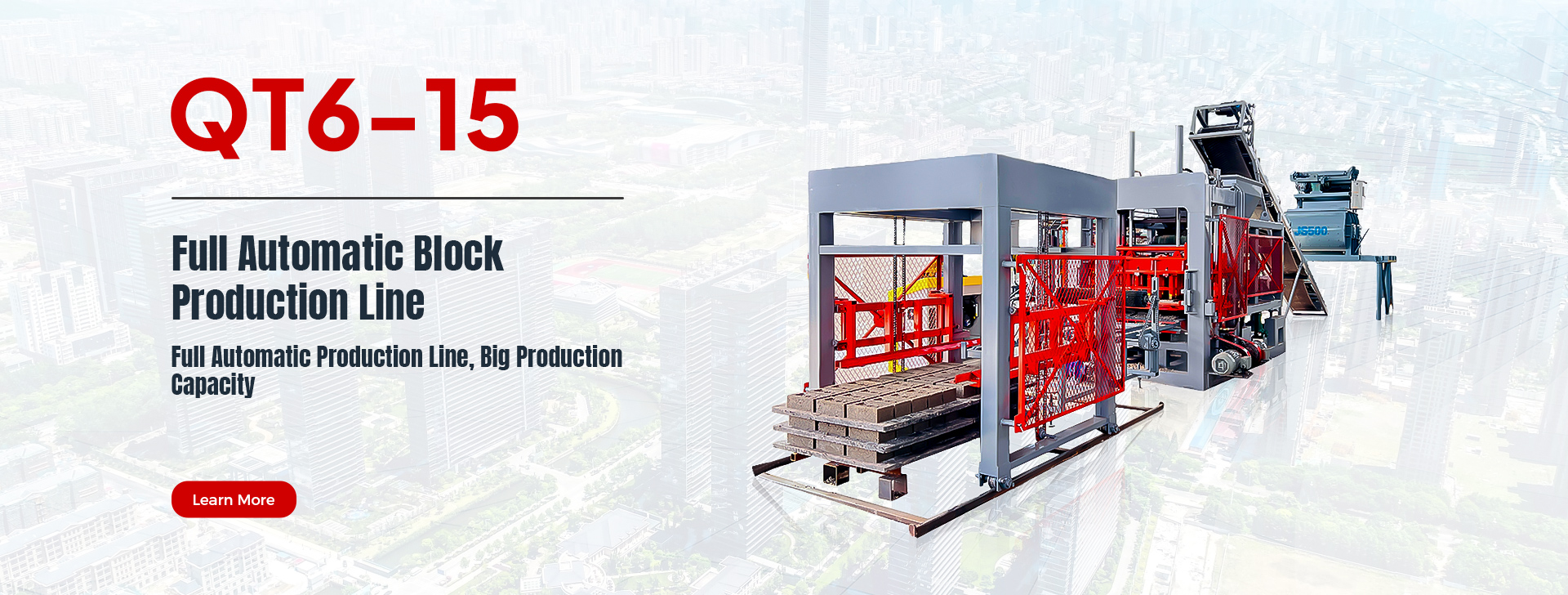
- Fully Automatic Block Making Machines: Utilize advanced control systems to minimize human intervention.
Criteria for Selecting the Best Block Making Machine
Key Considerations
- Efficiency: Directly impacts productivity and profitability.
- Cost: Includes both initial investment and operational expenses.
- Durability: Ensures longevity and reduces maintenance costs.
- Output Quality: Consistency is crucial for maintaining construction standards.
Matching Machine Capabilities with Project Requirements
Aligning machine capabilities with project needs is crucial. Large-scale projects may benefit more from fully automatic machines, whereas smaller projects might suit semi-automatic or manual machines.
Advantages of Fully Automatic Block Making Machines
Energy Efficiency and Environmental Benefits
These machines maximize energy efficiency and are environmentally friendly, producing minimal waste and emissions, leading to significant cost savings.
Enhanced Safety and Production Speed
Automated machines include advanced safety features that protect operators while offering unmatched production speed and consistent block quality.
Comparing Manual, Semi-Automatic, and Fully Automatic Machines
Operation and Labor Requirements
- Manual Machines: High manual labor demand, less efficient for large projects.
- Semi-Automatic Machines: Balance manual and automatic functions, reducing labor intensity.
- Fully Automatic Machines: Minimal human intervention using digital control systems.
Productivity and Output Quality
- Manual Machines: Lower productivity and potential quality variability.
- Semi-Automatic Machines: Moderate productivity with better consistency.
- Fully Automatic Machines: High productivity and superior output quality.
Cost and Return on Investment
- Manual Machines: Lower initial cost but higher labor expenses.
- Semi-Automatic Machines: Moderate initial and operational costs.
- Fully Automatic Machines: Higher initial investment but greater long-term savings.
Innovations and Future Trends in Block Making
Advancements in Digital Control Systems
Digital control systems like PLC and HMI have revolutionized block making, enhancing efficiency and accuracy.
Sustainable Production Methods
Modern machines incorporate energy-efficient motors, recycling capabilities, and reduced emissions, aligning with environmental standards.
Integration of AI and Machine Learning
AI and machine learning enhance predictive maintenance and quality control, ensuring high performance and compliance with industry standards.
Case Studies and User Experiences
Real-World Implementations
Fully automatic machines have successfully supported large-scale housing projects by ensuring a steady supply of quality blocks.
Challenges and Benefits
Users report reduced labor costs and improved quality, but face challenges like high initial investments and the need for skilled operators.
Maintenance and Manufacturer Support
Importance of Regular Maintenance
Scheduled maintenance is key to extending machine lifespan and preventing issues that could lead to downtime.
Role of Manufacturer Support
Manufacturers offer valuable after-sales support, including routine inspections and emergency repairs, ensuring consistent machine performance.
Customization and Flexibility
Customization Options
Manufacturers provide options to tailor machines according to specific project needs, including mold types and block sizes.
Benefits of Modular Design
Modular design allows easy upgrades and customization, enhancing machine adaptability for various construction projects.
Future of Block Making Machinery
Emerging Technologies and Trends
The industry is moving towards smart technologies, automation, and eco-friendly practices to boost efficiency and comply with regulations.
Predicted Developments
Future machines will likely feature advanced AI for improved automation, along with a stronger focus on sustainability.
Conclusion
Choosing the optimal block-making machine involves considering factors like efficiency, cost, durability, and quality. Fully automatic machines, while high in initial investment, offer significant returns due to their advanced features. Manufacturers like Aichen offer diverse options to meet construction needs, ensuring successful machine implementation with a focus on innovation and excellence.
About Aichen
Aichen, a leader in the construction machinery industry, is renowned for its high-quality cement brick-making machines. Committed to innovation and customer satisfaction, Aichen machines are built to meet the rigorous demands of modern construction.
Post time: 2025-09-03 19:11:35