
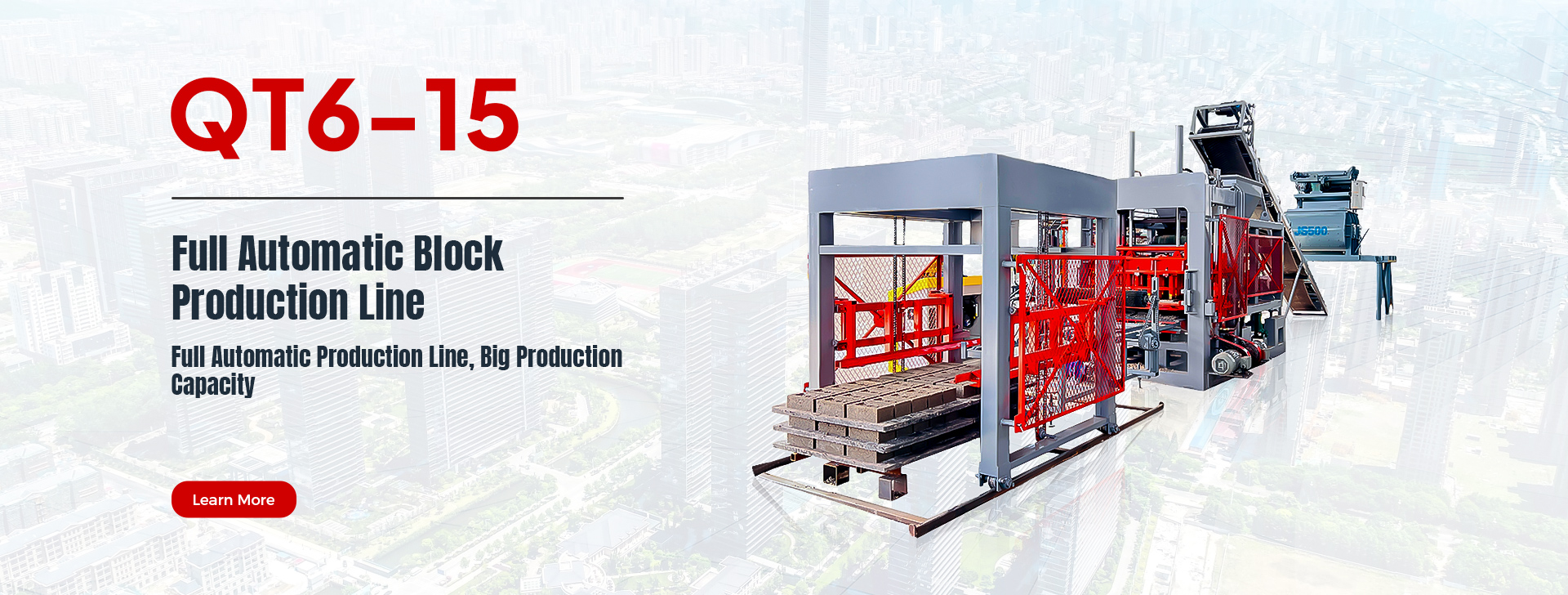
Understanding the Manufacturing Process of Hollow Clay Blocks
Hollow clay blocks are fundamental components in the construction industry due to their excellent thermal insulation, soundproofing, and load-bearing capabilities. The manufacturing process of these blocks involves multiple steps to ensure their quality and durability. Here, we delve into the detailed procedure of creating hollow clay blocks, emphasizing industry standards and best practices.
Raw Materials Acquisition
- Cement: Essential Binder for the Hollow Blocks - Cement serves as a binding agent, crucial for the structural integrity of hollow blocks. Portland cement is the preferred choice for its strength and durability.
- Sand: Fine Filler for the Concrete Mix - Fine sand acts as a filler, influencing the texture and strength of the concrete. It's vital to use sand free from impurities to enhance the blocks' longevity.
- Aggregates: Structural Support Components - Coarse aggregates like gravel or crushed stone contribute to the structural support, reducing cement usage without compromising strength.
- Water: Necessary for the Concrete Mixture - Water is essential for creating a workable concrete mix, with clean, potable water being the best choice to avoid weakened blocks.
Mixing the Concrete Ingredients
- Concrete Mixer Usage - A concrete mixer ensures even distribution of all materials, critical for product consistency.
- Importance of Proportioning - Precise ratios of components are crucial; incorrect proportions can lead to weak or brittle blocks.
- Ensuring a Homogeneous Mixture - Achieving a uniform mix secures consistent strength and durability of the blocks.
Forming the Hollow Blocks
- Pouring the Concrete into Molds - After mixing, the concrete is poured into molds determining the block shape and size.
- Types of Molds Used - Steel molds offer durability, while wooden molds present cost-effective but less durable options. Plastic molds offer flexibility.
- Creating the Hollow Space - Cores or shapes inserted into molds create the hollow spaces, and these are carefully removed after setting.
Curing Process
- Importance of Controlled Environment - Curing in a controlled environment ensures blocks gain the necessary hardness without cracks.
- Adequate Moisture and Temperature Maintenance - Moisture and temperature control are crucial during curing to prevent surface cracking.
- The Duration of Curing for Strength and Durability - Blocks typically cure for at least 7 days for minimum strength, with extended curing boosting durability.
Demolding the Blocks
- Timing and Technique of Demolding - Careful timing prevents damage to blocks during removal from molds.
- Preventing Damage to Fresh Blocks - Precision tools and methods ensure freshly demolded blocks remain undamaged.
Drying the Blocks
- Further Drying to Reduce Moisture - Post-curing, blocks require controlled drying to stabilize and eliminate residual moisture.
- Variation in Drying Times Based on Conditions - Environmental conditions like humidity and temperature influence drying times.
Quality Control Procedures
- Testing for Strength and Durability - Rigorous testing ensures blocks meet industry standards for performance characteristics.
- Ensuring Industry Standards Compliance - Compliance with standards like ASTM or ISO guarantees consistent quality.
Packaging the Hollow Blocks
- Methods for Proper Packaging - Proper packaging prevents damage during transport, with blocks typically secured on pallets.
- Preventing Damage During Handling and Transportation - Specialized equipment and trained personnel ensure safe block handling and transport.
Storage of Finished Blocks
- Best Practices for Storage - Blocks should be stored in dry, covered, and ventilated areas to maintain quality.
- Preparation for Transportation - Before transport, blocks are inspected, secured, and logistics are planned to minimize handling.
Distribution to Customers
- Channels of Distribution - Blocks are distributed to construction companies, retailers, and wholesalers, each with specific requirements.
- Reaching Construction Sites and Retailers - Efficient distribution ensures timely delivery to meet customer needs.
Introducing Aichen: Your Trusted Hollow Blocks Machine Maker
Aichen: Leading the Industry in Concrete Block Manufacturing - Based in Changsha City, Hunan province, China, since 1999, Aichen excels in manufacturing a variety of concrete block products. Our offerings include brick machines, block forming machines, and multifunction machines, emphasizing eco-friendly materials and stringent quality standards. Aichen provides comprehensive customer support from product selection to on-site support. Contact Aichen for all your concrete machinery needs.
Post time: 2025-09-03 19:17:14