
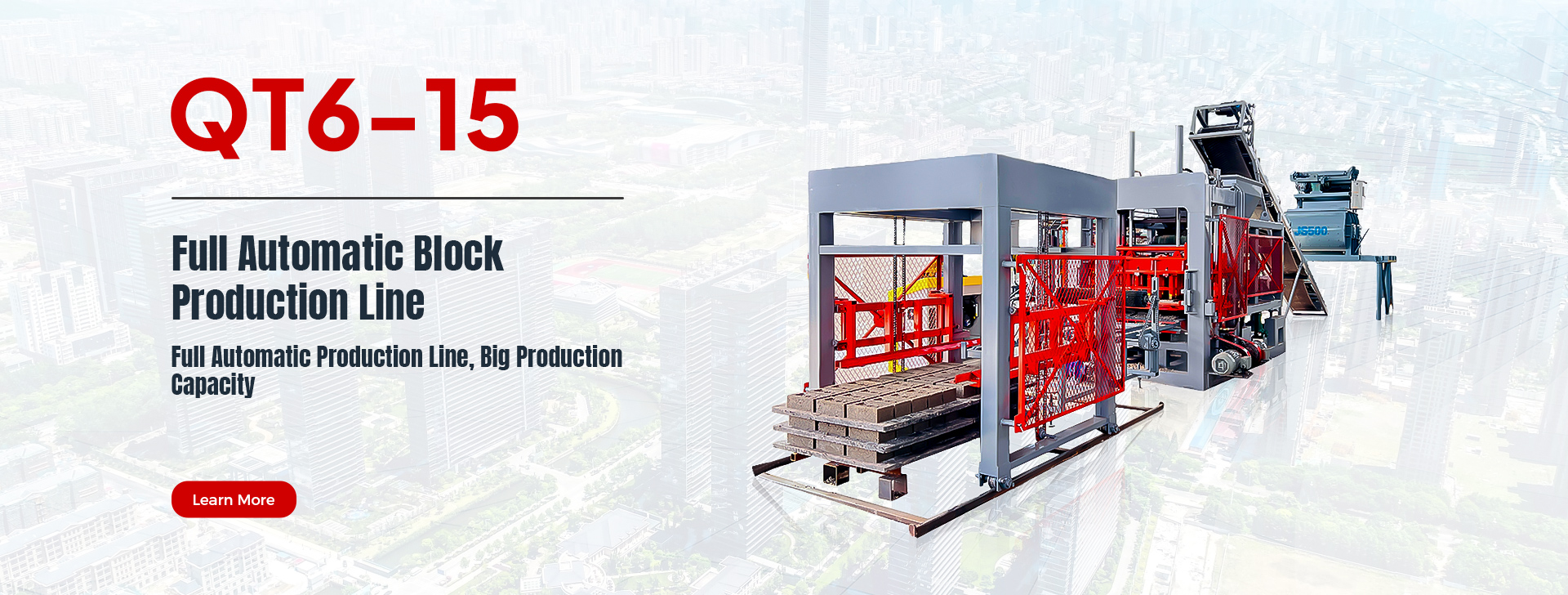
Introduction to Concrete Block Manufacturing
Concrete blocks serve as a fundamental component in construction, known for their durability and versatility. These blocks are widely used in residential, commercial, and industrial construction projects. The manufacturing process involves mixing raw materials, molding the mixture, curing the blocks, and conducting quality control tests. Advancements in technology, especially the introduction of mobile concrete block making machines, have greatly improved efficiency and cost-effectiveness in the manufacturing process.
Raw Materials for Concrete Blocks
- Cement: Acts as the primary binding agent. Reacts with water to form a paste binding aggregates. Portland cement is commonly used based on application and environmental conditions.
- Aggregates: Sand, gravel, and crushed stone make up about 60-80% of the concrete mix. Quality and size influence the block's strength and durability.
- Water and Additives: Water initiates the cement's chemical reaction, and the water-to-cement ratio is crucial. Additives like plasticizers and accelerators are used to improve workability and curing speed.
Proportioning and Mixing the Ingredients
- Ideal Ingredient Ratios: Correct ratios of cement, aggregates, and water are crucial for high-quality blocks, with mix design typically proportioned by weight.
- Types of Mixers: Pan mixers, drum mixers, and continuous mixers are commonly used, chosen based on production scale and block requirements.
Molding the Concrete Blocks
- Different Types of Molds: Molds made from steel, polyurethane, or wood determine block shape and size. Modular molds allow production of diverse shapes.
- Manual vs. Automated Molding: Manual involves pouring and compacting by hand, while automated uses machines to enhance productivity and precision.
Curing Process for Concrete Blocks
- Methods of Curing: Steam, water, and air curing methods ensure blocks reach full strength. Steam accelerates, water immerses, and air hardens naturally over time.
- Duration and Conditions: Blocks are cured for at least 7 days, with optimal results at 28 days, requiring proper humidity and temperature to prevent cracks.
Quality Control in Block Manufacturing
- Testing for Strength and Durability: Compression, water absorption, and density tests ensure blocks meet industry standards.
- Standards and Certifications: Adhering to standards maintains quality and safety, with certifications enhancing manufacturer credibility.
Automated Manufacturing Technologies
- Modern Machinery: Automation technologies, like mobile concrete block making machines, revolutionize manufacturing with precision and efficiency.
- Benefits of Automation: Minimizes error, ensures uniformity, and increases production capacity, catering to diverse construction needs.
Environmental Impact and Sustainability
- Eco-Friendly Materials: Use of recycled aggregates and alternative binders reduces environmental footprint in block manufacturing.
- Waste Management: Recycling byproducts and minimizing waste contribute to sustainable practices in production.
Common Issues and Troubleshooting
- Defects in Blocks: Issues like cracking and warping arise from improper mixing or curing. Identifying causes ensures high-quality production.
- Maintenance of Equipment: Regular maintenance of machines ensures optimal performance and longevity, enhancing productivity.
Market and Economic Considerations
- Cost Analysis: Understanding costs like raw materials, labor, and machinery is crucial. Automated machines offer cost-effective solutions.
- Market Demand: Manufacturers must be aware of construction trends and competition to remain competitive.
Concrete block manufacturing is a complex process requiring meticulous planning, precise execution, and stringent quality control. Advanced technologies, such as mobile concrete block making machines, greatly enhance block production efficiency and quality. Adhering to best practices ensures durable, versatile blocks for the construction industry.
About Aichen Changsha
Aichen, located in Changsha City, Hunan Province, China, has focused on concrete block making machines since 1999. Producing a wide array of machines and block production lines, Aichen uses global technology and quality standards to create eco-friendly products for construction and hardscaping applications.
Post time: 2025-09-03 19:13:18