
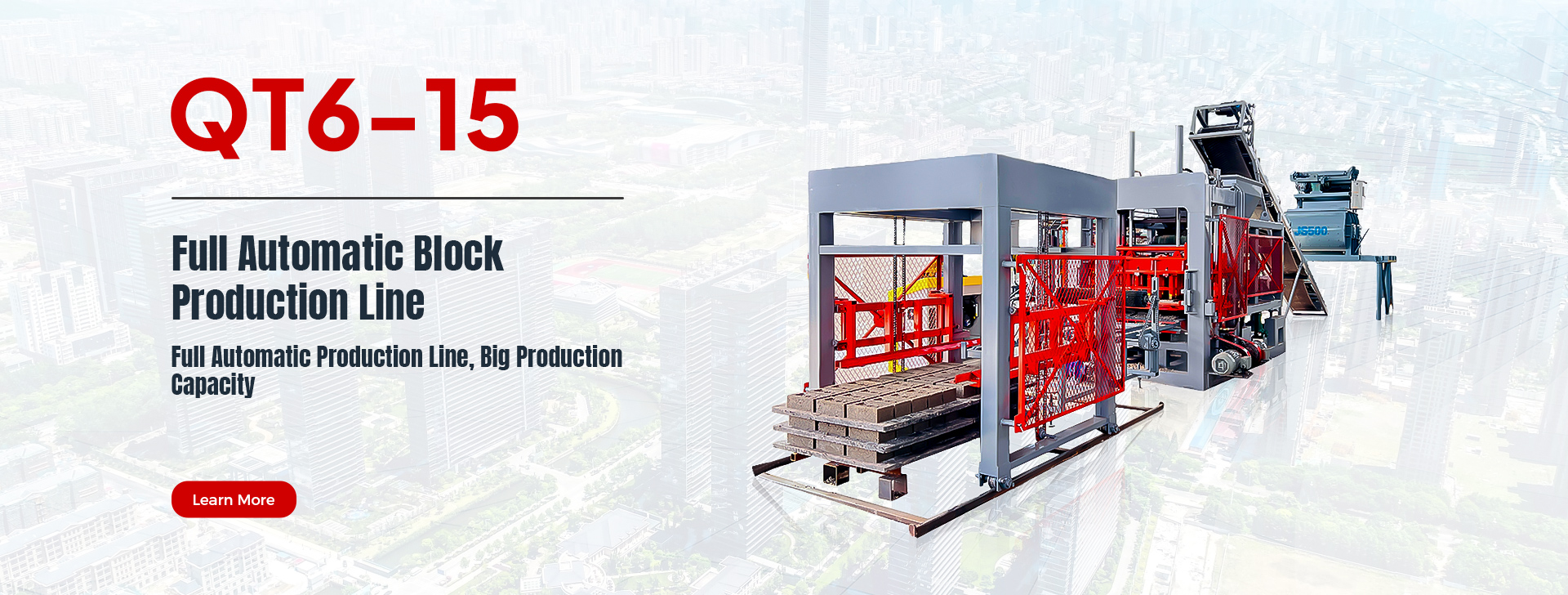
Introduction to Concrete Blocks
Concrete blocks, also known as concrete masonry units (CMUs), are essential materials in construction for walls and structural components. Renowned for their durability, strength, and adaptability, concrete blocks have played a crucial role since ancient times. Modern advancements have significantly evolved concrete blocks, enhancing production and widening applications.
Raw Materials for Block Making
The manufacturing of concrete blocks starts with selecting raw materials, primarily involving:
- Portland Cement: Acts as the binder, ensuring strength and cohesion.
- Water: Necessary for the hydration process of cement.
- Sand: Provides bulk and a fine surface texture.
- Gravel: Adds compressive strength and durability.
Types of Concrete Blocks
Various concrete block types cater to specific needs, such as:
- Standard Concrete Blocks: Widely used in general construction.
- Cinder Blocks: Offer better sound insulation and thermal properties.
- Lightweight Concrete Blocks: Ideal for non-load bearing walls.
Mixing Ingredients
The first stage in block making involves:
- Material Storage: Sand and gravel in silos; cement remains moisture-free.
- Weighing and Blending: Batchers measure materials, mixed in planetary or drum mixers.
Molding Process
Involves steps like:
- Transporting the Mix: Delivered to molds via hoppers.
- Mold Design: Includes outer and inner liners for shaping.
- Compression: Hydraulic or pneumatic systems used for compaction.
- Demolding: Blocks are removed and transported on pallets.
Curing Techniques
Curing enhances block strength through methods like:
- Low-Pressure Steam Kilns: Initial room temperature hardening, followed by steam.
- High-Pressure Steam Kilns (Autoclaves): Faster curing with elevated temperature and pressure.
Cubing and Packaging
Post-curing steps include:
- Unstacking: Blocks removed from racks onto conveyors.
- Cubing: Blocks are aligned for easy handling.
- Packaging: Prepared for dispatch using forklifts.
Quality Control Measures
Quality is ensured through:
- Material Weighing: Accurate electronic measurement systems.
- Moisture Control: Ultrasonic sensors for sand and gravel content.
- Height and Dimension Checking: Laser sensors verify dimensions.
- Curing Monitoring: Automated tracking of curing parameters.
Advancements in Block Making Technologies
Technological advancements have introduced automatic block machines, streamlining production with enhanced efficiency and quality. Producing up to 2,000 blocks per hour, these advancements reduce costs and assist in diverse applications.
Applications and Benefits of Concrete Blocks
Concrete blocks are used in various construction applications for their:
- Durability: Long-term structural integrity.
- Sustainability: Eco-friendly materials for sustainable building.
- Economic Efficiency: Cost-effective due to mass production.
- Versatility: Available in multiple shapes and sizes for different uses.
Automatic Block Making Machines: Revolutionizing the Industry
Automatic machines have modernized block manufacturing, automating processes and ensuring consistent quality. They cater to various production scales with models from leading suppliers.
Introduction to Aichen Changsha
Aichen, based in Changsha, China, has been a leader in concrete block making technology since 1999. Offering a wide range of machines, Aichen products are known for durability and sustainability, supported by extensive customer service.
Post time: 2025-09-03 19:18:30