Assessing the Need for Integration in Manufacturing
In the ever-evolving manufacturing landscape, integrating automation into production lines has become essential for efficiency and scalability. The decision to integrate a fully automatic solid block making machine requires a nuanced understanding of current operations, production goals, and long-term business strategies. Companies aiming for high-quality output and improved productivity must evaluate the potential benefits against the logistical and financial implications of such integration.
Current Production Challenges
Manufacturers face challenges such as labor costs, inconsistent block quality, and limited production capacity. These obstacles hinder growth and profitability. Automation can enhance efficiency and consistency, making it crucial for manufacturers considering high-quality automation solutions.
Market Demands and Trends
The construction industry’s increased demand for faster and more reliable block production drives manufacturers to adopt advanced technologies. Understanding these market trends is essential for competitiveness and meeting customer expectations.
Understanding Fully Automatic Solid Block Machines
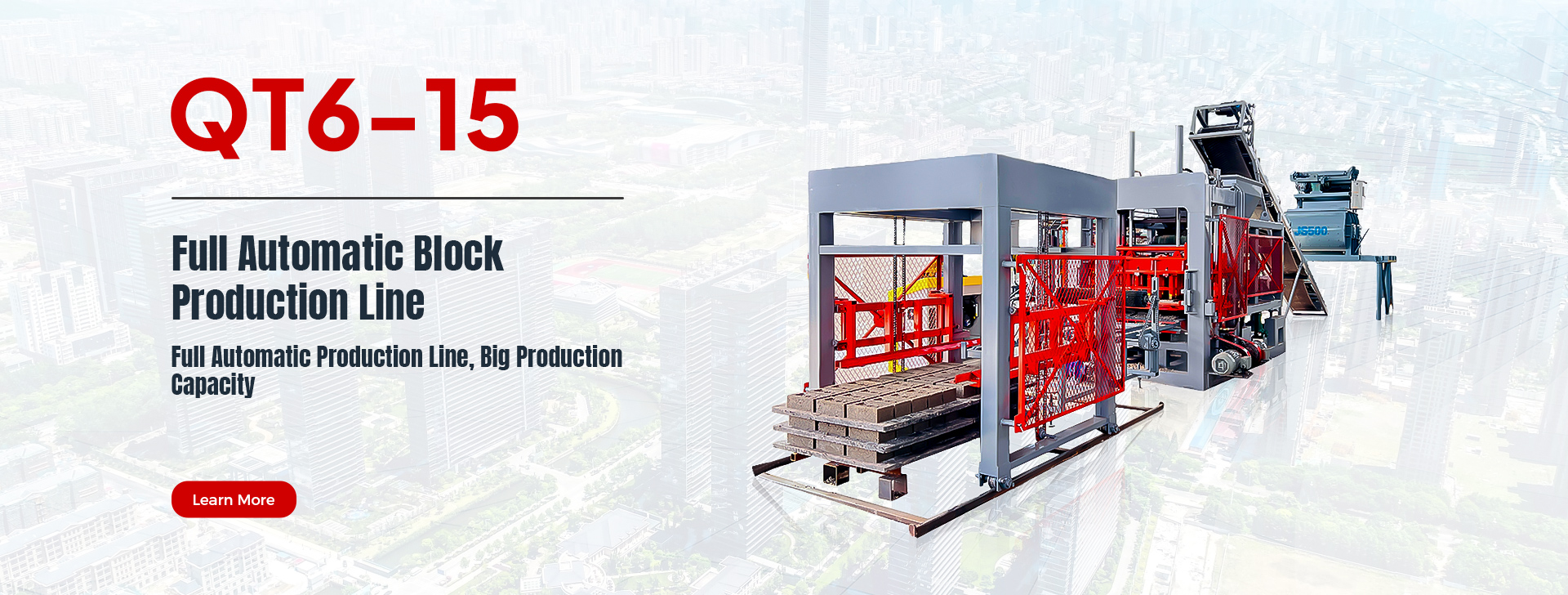
Fully automatic solid block making machines minimize human intervention and maximize production efficiency through advanced technologies such as programmable logic controls and integrated hydraulic systems.
- Automated feeding systems for consistent material input.
- Hydraulic systems for high-pressure compaction, ensuring uniform block density.
- Programmable controls for precise operation and reduced manual errors.
Advantages Over Traditional Methods
These machines offer increased production speed, enhanced block quality, and reduced labor costs. By purchasing from a reputable manufacturer, businesses can improve operational efficiency and output quality.
Compatibility with Existing Infrastructure
Integrating a new machine requires careful assessment of infrastructure compatibility, including space, electrical supplies, and workflow processes.
- Space and Layout Considerations: Evaluate available space and plan any necessary layout adjustments.
- Electrical and Technical Requirements: Ensure compatibility with existing systems for smooth operation.
Financial Implications and Investment Considerations
While the initial investment in a fully automatic machine can be substantial, the long-term benefits often justify the cost. Evaluate the return on investment by considering increased production capacity, labor savings, and improved product quality.
- Cost-Benefit Analysis: Calculate potential savings from reduced labor and increased efficiency.
- Financing and Budgeting: Consider various financing options to manage the upfront investment.
Production Capacity and Efficiency Gains
Integrating a fully automatic machine can significantly increase production capacity, allowing manufacturers to meet higher demand without compromising quality.
- Cycle Time Reduction: Automatic machines offer faster cycle times, increasing output and adaptability to market needs.
- Consistent Quality and Output: Automation ensures consistent quality by minimizing human error.
Technological and Operational Benefits
Integrating advanced machinery provides numerous benefits, including enhanced process control and reduced reliance on skilled labor.
- Advanced Process Monitoring: Sophisticated systems provide real-time data for informed decision-making.
- Labor and Resource Optimization: Automating tasks allows labor reallocation to strategic roles.
Selecting the Right Machine for Integration
Choosing an appropriate machine involves evaluating specifications, production needs, and available features to ensure alignment with business goals.
- Critical Selection Criteria: Consider production capacity, cycle time, durability, and support services.
- Vendor and Manufacturer Partnerships: Strong relationships with manufacturers facilitate successful integration.
Implementation Timeline and Planning
Careful planning of the integration timeline minimizes disruptions and ensures a smooth transition.
- Phased Implementation Approach: Includes initial assessment, infrastructure preparation, and machine installation.
- Contingency Planning and Risk Management: Develop plans for unexpected delays or technical challenges.
Training and Skill Development for Operators
Successful integration requires operators to possess skills and knowledge for managing advanced technologies effectively.
- Comprehensive Training Programs: Invest in training covering machine operation and maintenance.
- Continuous Learning and Development: Encourage continuous learning to stay updated with automation advancements.
Long-term Sustainability and Future Growth
Integrating a fully automatic machine positions manufacturers for long-term sustainability and expansion. Automation supports strategic growth initiatives and market competitiveness.
- Scalability and Flexibility: Automated systems adapt to future demands without significant investments.
- Environmental and Economic Benefits: Energy-efficient production lines reduce environmental impact and operational costs.
Aichen Provides Solutions
For businesses considering the integration of a fully automatic solid block making machine, Aichen offers comprehensive solutions tailored to production needs. Our team provides expert guidance on machine selection, financial planning, and implementation strategies to ensure a seamless transition. Partner with Aichen to achieve enhanced production efficiency, high-quality output, and sustained growth in a competitive market.
Post time: 2025-09-03 18:16:25