
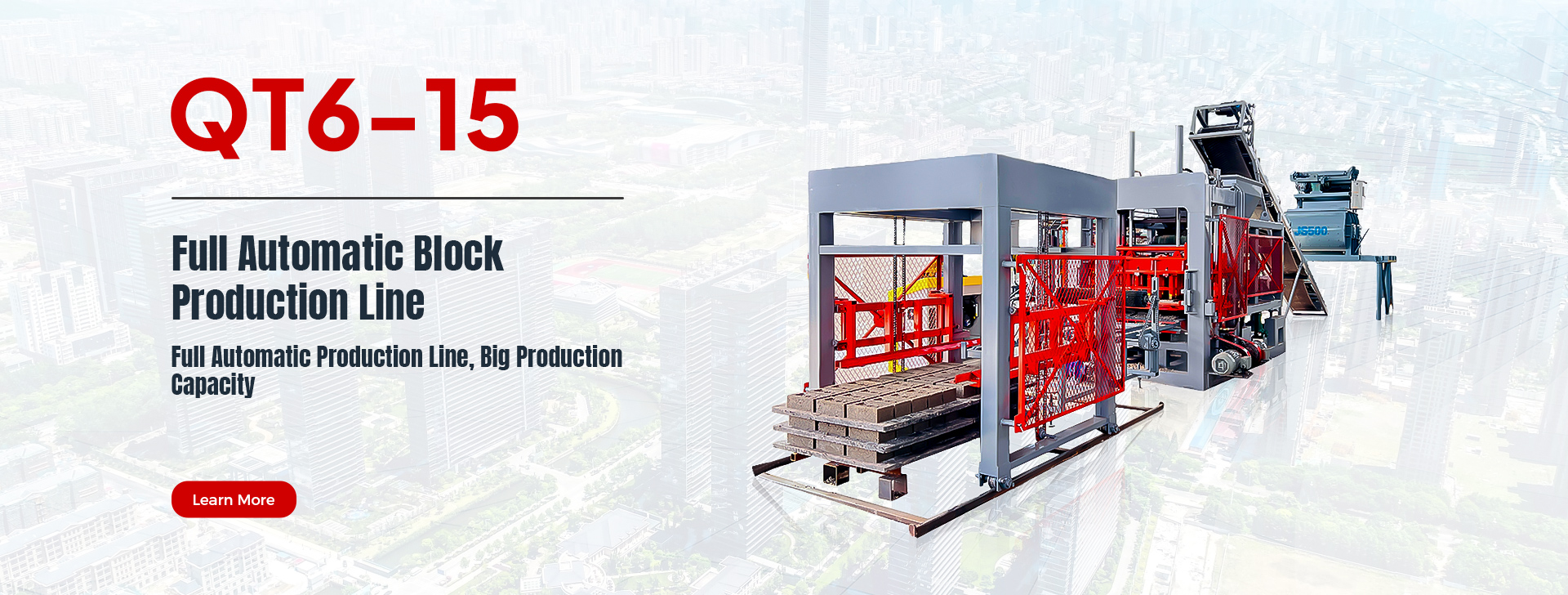
Concrete Block Making Machines: Transforming Construction Efficiency
Concrete block making machines have become indispensable in the construction industry, providing efficient and high-quality building solutions. They produce durable and versatile blocks that constitute the backbone of modern construction projects. For professionals in the field, comprehending block machine manufacturing intricacies is essential to optimize productivity, ensure quality, and adapt to innovations.
Introduction to Block Machine Manufacturing Process
Overview of Block Machine Production
The concrete block making machine industry has rapidly advanced, with modern machinery offering enhanced capabilities for diverse construction applications. These machines are crucial for creating concrete blocks used in building infrastructures like walls, foundations, and pavements. As demand for sustainable and cost-effective building solutions increases, investing in a high-quality concrete block making machine offers a competitive edge in the market.
Importance in the Construction Industry
Concrete blocks are valued for their strength, longevity, and design flexibility. Thus, a concrete block making machine manufacturer plays a pivotal role in the construction supply chain. By producing uniform and reliable blocks, manufacturers help builders reduce construction time, manage costs effectively, and consistently achieve high-quality results.
Raw Material Preparation for Concrete Blocks
Key Ingredients and Their Roles
Quality concrete blocks depend on careful selection and preparation of raw materials, including cement, sand, gravel, and water. Cement acts as a binding agent, sand fills gaps for stability, gravel provides structural integrity, and water facilitates setting. Proper material selection and handling are prerequisites for producing durable and aesthetically pleasing blocks.
Proportional Mixing for Optimal Integrity
Achieving the correct ingredient mix is crucial for block strength and durability. Manufacturers must adhere to specific ratios based on desired characteristics and machinery used. Innovative factories use automated systems for precise measurement and mixing, minimizing human error and ensuring consistency across batches.
Understanding the Production Process of Block Machines
From Material Preparation to Molding
The production process begins with raw material preparation, followed by transfer to the machine for mixing and molding. Advanced machines automate much of this process, enhancing efficiency. The mixture is poured into molds, compacted, and shaped into blocks, ensuring uniformity and quality across all produced units.
Operational Differences in Machine Types
Concrete block making machines range from manual to semi-automatic and fully automatic models. Manual machines suit small-scale operations, semi-automatic machines offer a cost-efficiency balance, while fully automatic machines provide unmatched speed and precision for large-scale manufacturing.
Detailed Examination of Curing Techniques
Various Curing Methods and Their Advantages
Curing is a critical production phase, affecting the block's strength and durability. Common methods include steam curing, water curing, and curing compounds. Steam curing accelerates the process, water curing is cost-effective, and curing compounds are convenient for moisture retention.
Duration and Application Based on Conditions
The curing duration depends on the method and environmental conditions. Balancing efficiency with quality ensures blocks are adequately cured, maintaining structural integrity, especially under varying weather conditions.
Quality Control Measures in Block Production
Importance of Testing and Standards Adherence
Quality control is paramount. Manufacturers adhere to rigorous testing protocols to ensure products meet industry standards. This involves regular inspections and testing for compressive strength and dimensional accuracy.
Continuous Monitoring from Start to Finish
Continuous monitoring systems detect and rectify issues promptly, reducing waste and ensuring consistent block quality. This proactive approach maintains a competitive edge by producing reliable products that meet client expectations.
Production Capabilities of Different Block Machines
Comparison of Manual, Semi-Automatic, and Automatic Machines
Each machine type offers distinct capabilities. Manual machines rely on labor for small runs, semi-automatic machines increase output with less intervention, while automatic machines produce thousands of blocks daily with minimal labor.
Impacts on Production Volume and Efficiency
Choosing the right machine involves evaluating production needs and budget constraints. Manufacturers must weigh initial investment against potential productivity and labor cost reductions to optimize operations.
Role of Technology in Enhancing Block Production
Innovations in Block-Making Machinery
Technological advancements have revolutionized production, introducing computerized controls and automated systems that improve precision and consistency, offering manufacturers greater flexibility and control over final product characteristics.
Automation Benefits and Challenges
While automation increases efficiency and reduces human error, it demands investment and technical expertise. Manufacturers must invest in skilled personnel and maintenance to ensure peak machine performance.
Economic and Environmental Impact of Block Machines
Cost-Effectiveness and Sustainability
Investing in modern block machines enhances cost-effectiveness by reducing waste and optimizing material use. These machines promote sustainability by encouraging eco-friendly materials and processes, aligning with tighter regulations.
Reduction of Waste and Resource Optimization
Efficient machines minimize resource waste, reducing operational costs and aligning with global efforts to minimize carbon footprints and promote sustainability.
Challenges in the Block Manufacturing Process
Common Issues and Troubleshooting Methods
Despite technological advancements, manufacturers face challenges like equipment breakdowns and inconsistent supplies. Regular maintenance and strategic supplier partnerships are essential to minimize downtime and maintain productivity.
Strategies for Improvement
Continuous improvement involves R&D investment, embracing new technologies, and enhancing workforce skills to maintain competitive advantage.
Future Trends in Block Machine Manufacturing
Emerging Technologies and Materials
The industry's future lies in integrating smart technologies and sustainable materials, like 3D printing and eco-friendly concrete alternatives, offering unprecedented growth opportunities.
The Evolution of Industry Practices and Standards
As construction demands evolve, manufacturers must adapt and collaborate across the supply chain, committing to sustainable development goals for a resilient industry future.
Company Introduction: Aichen Changsha
Aichen, based in Changsha city, Hunan province, China, has pioneered the R&D, manufacture, and sale of concrete block making machines since 1999. They produce diverse machines and production lines using global technology and quality standards. Aichen's commitment to eco-friendly materials allows them to create concrete products for applications from construction to erosion control.
Post time: 2025-09-03 18:49:57