
Understanding Raw Materials for Concrete Blocks
Concrete blocks are a versatile building material, composed of various raw materials that offer strength and stability. Below is a breakdown of the essential components:
- Cement: The primary binding agent used in concrete blocks.
- Aggregates: These include fine and coarse materials such as sand, gravel, or crushed stone.
- Sands: Fill gaps in the blocks to enhance strength.
- Additives (Optional): Chemicals to improve block properties.
- Water: Necessary for cement hydration.
The Concrete Block Production Process
Creating high-quality concrete blocks involves several crucial steps.
Mixing
The process begins by combining raw materials in appropriate proportions. Water is gradually added for optimal consistency. Mixing can be executed using JS or JQ concrete mixers.
Molding
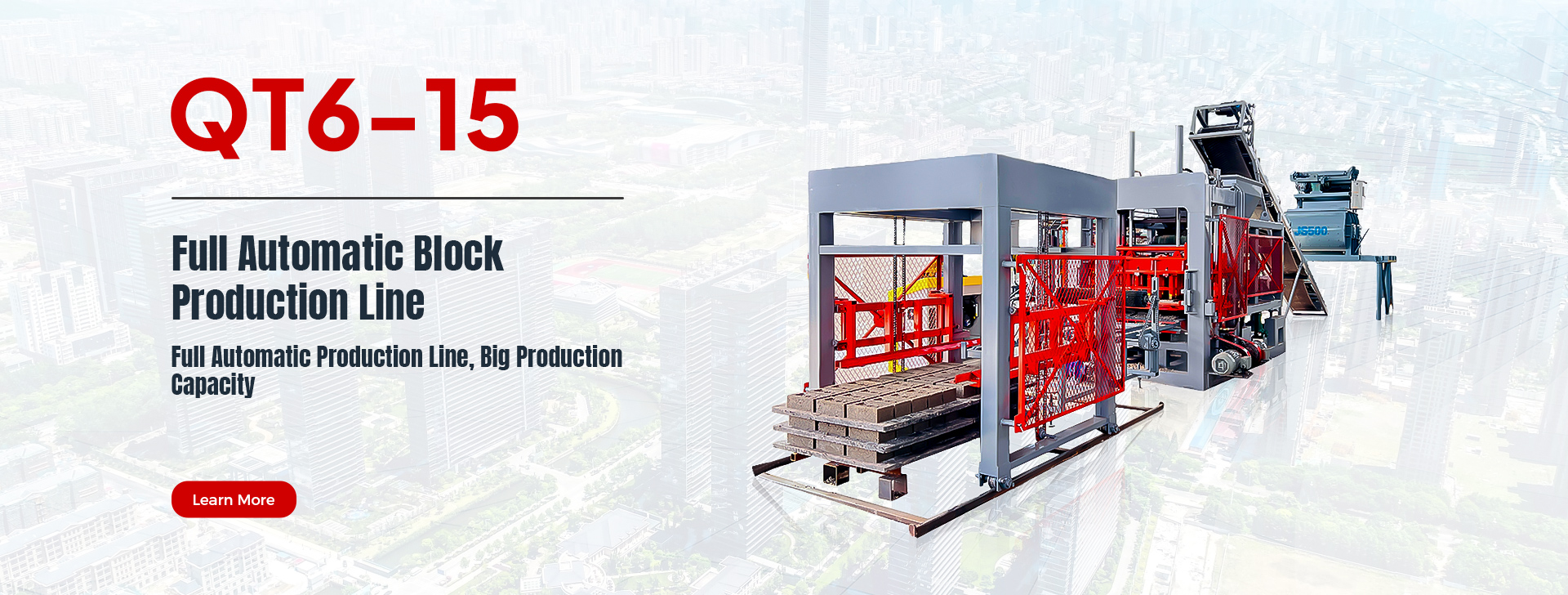
Once mixed, the concrete is poured into molds that have undergone heat treatment. These molds come in various shapes and sizes to fit desired block dimensions. Vibrators may be used to eliminate air bubbles and ensure uniformity. Larger machines like the QT6-15 automatic block-making machine use multiple motors for vibration to enhance block strength.
Blocks Removal
After curing for approximately 24 hours, blocks are carefully removed from pallets to avoid damage.
Curing
For enhanced strength and durability, blocks must be cured in a controlled environment with adequate moisture and temperature. Methods include sprinkling water, covering with plastic sheets, or using a curing house.
Drying and Stacking
Demolded blocks dry in a well-ventilated area. Once fully dry, they are stacked for storage or transportation.
Quality Control
Random samples undergo testing for strength, dimensions, and other quality parameters. Blocks not meeting these standards are rejected.
Specific process details may vary based on concrete block type, production scale, and equipment.
Post time: 2025-09-03 19:15:46