
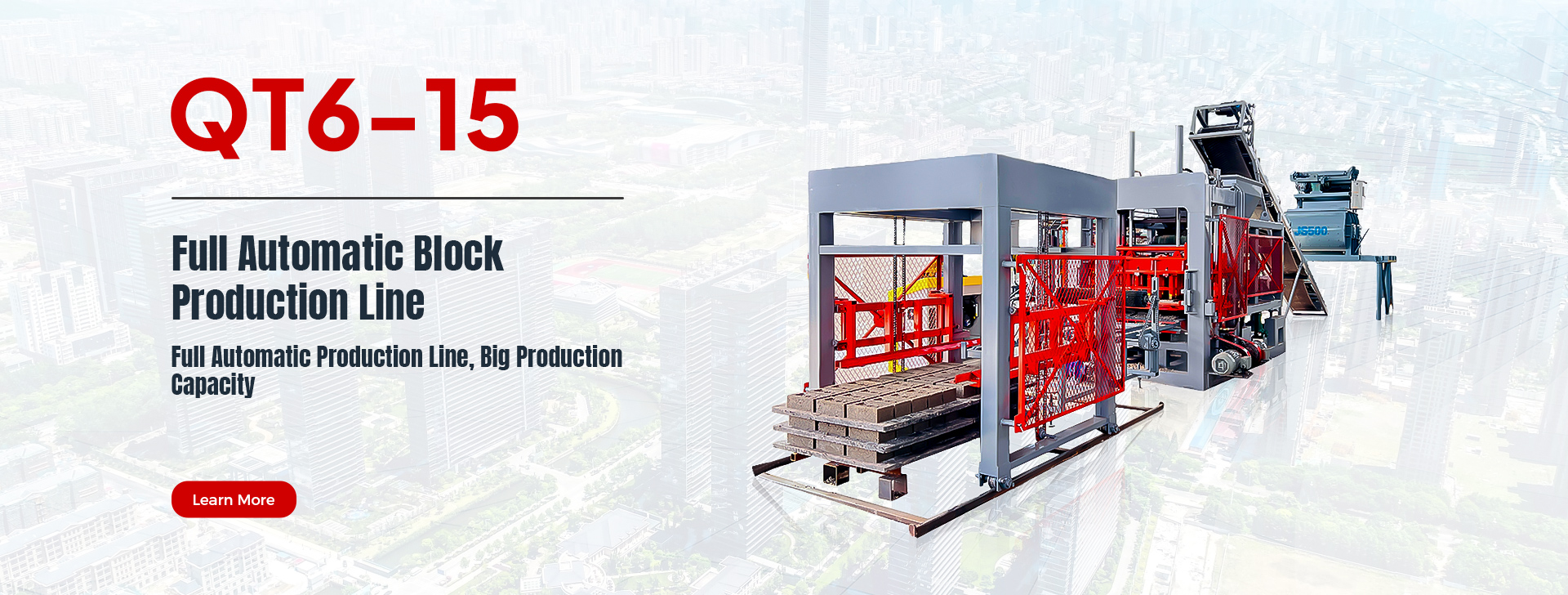
Introduction to Foam Concrete Block Making Machines
Foam concrete block making machines are transforming the construction landscape by offering a sustainable alternative to traditional building materials. These machines produce lightweight, efficient, and environmentally friendly blocks that streamline construction processes.
Understanding Foam Concrete Technology
Foam concrete is a highly adaptable building material known for its lightweight and thermal insulation properties. It is created by mixing cement with a pre-formed foam, resulting in a porous structure. This innovative technology enhances construction efficiency, facilitates faster build times, and reduces labor costs.
Significance in Modern Construction
The increasing use of foam concrete block making machines marks a shift towards sustainable and cost-efficient construction practices. By reducing the structural weight, foam concrete allows for more flexible architectural designs and minimizes foundation needs.
Composition and Working Principle
Key Components in Foam Concrete Production
- Mixer: Combines cement, water, and aggregates.
- Foam Generator: Produces a foamy substance to create a lighter mix.
- Mold: Shapes the mixture into blocks.
Process of Mixing and Block Formation
The foam is prepared and integrated into the cement slurry. This mixture is then poured into molds to shape blocks, which are later cured for enhanced strength and durability, ensuring consistent product quality.
Types of Foam Concrete Machines
Manual versus Automatic Machines
Foam concrete block making machines are available in manual and fully automatic models. Manual machines are cost-effective for small projects, while automatic machines are more efficient for large-scale production. The choice depends on the project's scope and budget.
Benefits of Foam Concrete Blocks
Lightweight Properties and Easy Handling
Foam concrete blocks are much lighter than traditional bricks, facilitating easier transportation and handling, which reduces labor costs and shortens construction timelines.
Superior Thermal and Acoustic Insulation
The porous nature of foam concrete provides excellent thermal and acoustic insulation, contributing to stable indoor temperatures and reduced noise levels, thus enhancing comfort and energy efficiency.
Comparative Analysis with Traditional Materials
Foam Blocks Versus Conventional Bricks
Compared to conventional bricks, foam concrete blocks offer better insulation, reduced weight, and faster installation times, which lead to cost savings and improved environmental performance.
Applications in the Construction Industry
Usage in Residential and Commercial Buildings
Foam concrete blocks are extensively used in residential and commercial construction, preferred for their lightweight and insulation qualities in walls, partitions, and prefabricated panels.
Role in Sustainable Construction Practices
As construction focuses more on sustainability, foam concrete blocks help reduce environmental impacts by consuming less energy during production and lowering heating and cooling demands.
Innovations in Foam Concrete Technology
Recent Advancements and Machine Upgrades
The industry has witnessed significant advancements in automation and production technology, enabling high-volume block production with minimal human intervention. This reduces errors and boosts output quality.
Future Trends and Potential Developments
Future innovations will likely enhance the eco-friendly aspects of foam concrete production, focusing on recycled materials and decreasing carbon emissions. Ongoing research aims to improve machine efficiency and block performance.
Environmental Impact and Sustainability
Eco-friendly Aspects of Production
Foam concrete production uses fewer raw materials and less energy than traditional methods, reducing its carbon footprint. Its eco-friendly profile is further boosted by the use of recycled content and minimized construction waste.
Contribution to Reducing Carbon Footprint
The lightweight and insulating properties of foam concrete blocks enhance a building's energy efficiency, lowering operational carbon emissions and providing a sustainable alternative to conventional materials.
Challenges and Limitations
Potential Drawbacks and Areas for Improvement
Despite numerous benefits, foam concrete blocks have limitations such as lower load-bearing capacity. Research continues to address these issues by improving the material's structural properties.
Addressing Technical and Operational Issues
Manufacturers are refining production processes and enhancing machine designs to minimize technical issues and ensure consistent block quality. Collaborative industry efforts are key to overcoming these challenges.
Conclusion and Future Outlook
Summary of Foam Concrete Benefits and Applications
Foam concrete block making machines are revolutionizing the construction sector with economic, environmental, and functional advantages. As technology progresses, foam concrete blocks are set to become crucial in constructing sustainable buildings worldwide.
Predictions for Industry Growth and Technological Progress
The foam concrete market is poised for growth, driven by the demand for sustainable, high-performance building materials. Advances in machine technology and production techniques will continue to enhance the quality and capabilities of foam concrete blocks.
Introduction to Aichen Changsha
Aichen, based in Changsha, Hunan province, China, has led in concrete block making machine technology since 1999. Aichen manufactures diverse machines, including brick machines and automatic production lines, using green materials and cutting-edge technology to produce versatile products for sustainable construction and soil erosion control.
Post time: 2025-09-03 18:57:54