
Introduction to Concrete Block Production
Concrete blocks are a cornerstone of construction projects worldwide, essential in residential, commercial, and infrastructural development. These versatile building materials offer strength, durability, fire resistance, and excellent insulation properties.
Importance in Construction
The demand for concrete blocks necessitates the use of advanced machinery to meet production needs and maintain quality standards, rendering them indispensable in various applications.
Overview of Machinery Used in Concrete Block Production
The machinery utilized in concrete block production ranges from manual and semi-automatic machines suitable for small-scale operations to fully automated systems designed for large-scale industrial production.
Types of Machines for Concrete Block Making
- Manual vs. Automatic Machines
- Manual Machines: Ideal for small-scale operations, these affordable machines require significant human intervention.
- Automatic Machines: Designed for large-scale production, these machines offer high efficiency and consistent quality with minimal human input.
- Stationary vs. Mobile Machines
- Stationary Machines: Used in large facilities, these machines provide high production capacity and stability.
- Mobile Machines: Portable and suitable for on-site production, ideal for small to medium-scale operations.
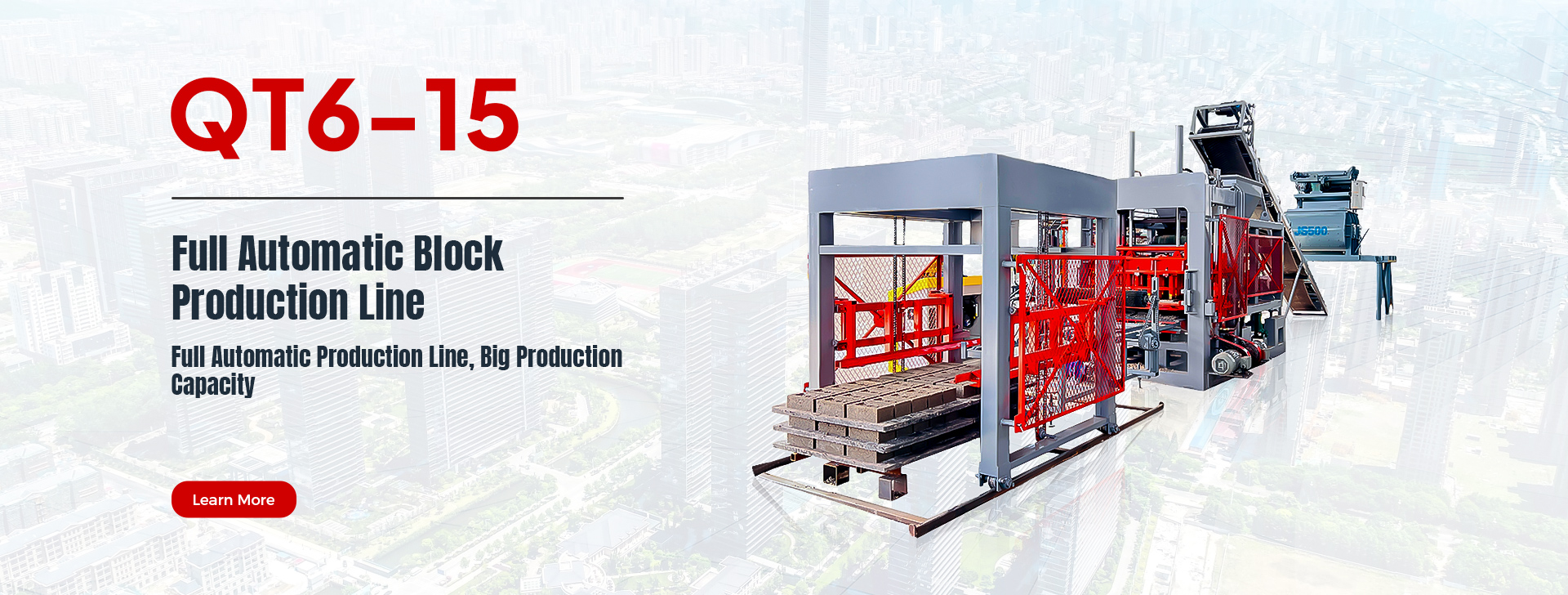
Automated Block Making Machines
Automated machines have revolutionized the industry by enhancing production efficiency and quality.
Features and Benefits
Equipped with advanced features like PLCs and automatic batching systems, these machines ensure precise control and consistent quality.
Manual Block Making Machines
Although geared towards small-scale production, manual machines remain valuable.
Suitability for Small Scale Production
Manual machines are cost-effective and easy to operate, requiring minimal investment while yielding reasonable quantities.
- Pros and Cons
- Pros: Low cost, easy maintenance, suitable for small production.
- Cons: Limited capacity, labor-intensive, and varying quality.
Hydraulic Machines for Concrete Blocks
Hydraulic systems apply uniform pressure, ensuring consistency and strength in block production.
Efficiency and Quality Improvement
Known for their efficiency, hydraulic machines deliver superior quality blocks suitable for large-scale production.
Vibrating Machines in Concrete Block Production
Vibration helps eliminate air bubbles, achieving optimal block density and integrity.
Role of Vibration in Block Solidity
Vibrating machines leverage high-frequency vibration for compacting concrete mix, ensuring solidity.
Mixing and Batching Systems
Accurate mixing and batching are crucial for producing high-quality concrete blocks with desired properties.
Importance of Precise Mixing
Even minor deviations in mixing can impact the strength and durability of blocks.
Curing Systems for Concrete Blocks
Curing allows blocks to achieve maximum strength and reduces defects.
Curing Process and Its Importance
Proper curing involves maintaining moisture and temperature, ensuring block integrity.
Maintenance of Concrete Block Machines
Regular maintenance ensures longevity and optimal performance of block making machines.
Regular Maintenance Practices
Routine checks and timely replacement of worn-out parts prevent breakdowns and ensure smooth operation.
Choosing the Right Machine for Your Needs
Selecting the right machine involves considering production capacity, budget, and project requirements.
Factors to Consider
- Production Capacity: Ensure the machine meets production needs without sacrificing quality.
- Budget: Evaluate the initial investment, operating costs, and maintenance expenses.
- Project Requirements: Assess specific needs, including block types and sizes.
Contact Changsha Aichen for comprehensive concrete machinery solutions tailored to your needs, ensuring high-quality and eco-friendly products.
Post time: 2025-09-03 19:16:35