
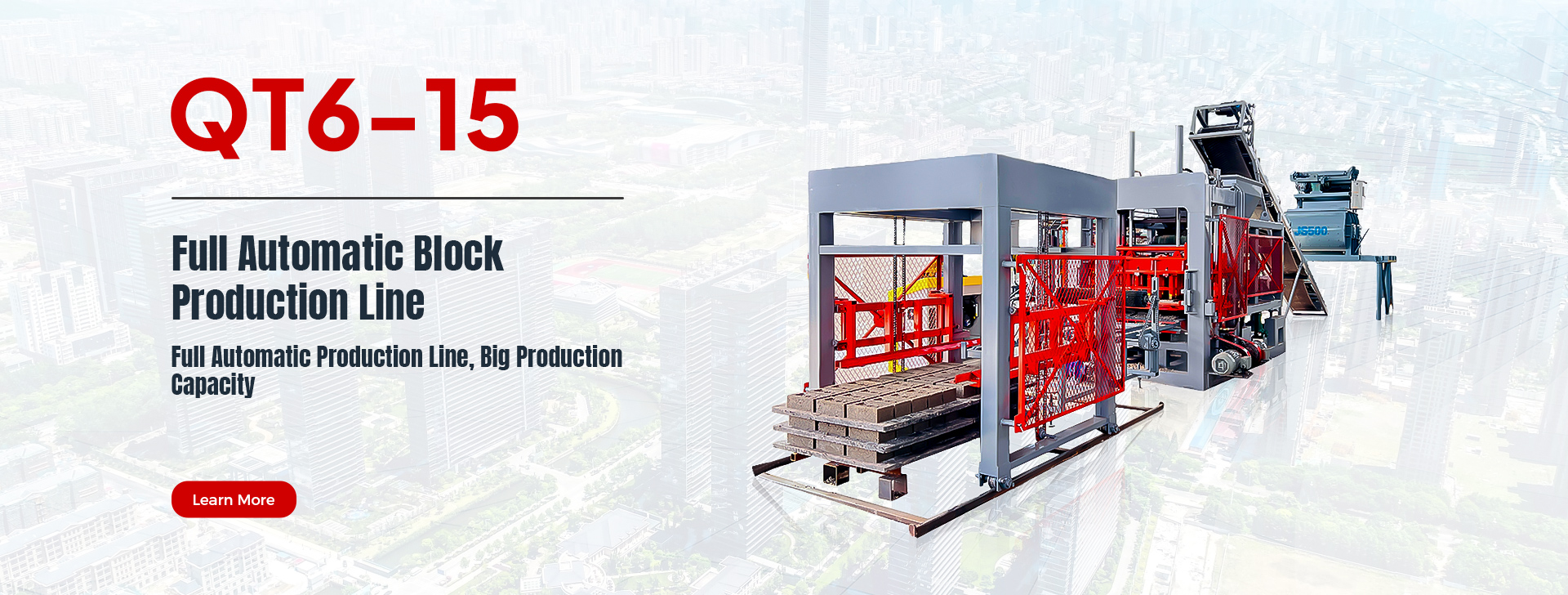
Introduction to Concrete Block Manufacturing
Concrete blocks are a staple in the building industry due to their strength, adaptability, and cost-efficiency. Understanding the machinery involved in their production is essential for construction professionals, whether they're working on towering structures or family homes.
The Significance of Selecting the Right Equipment
Choosing the right machinery is critical to ensuring high-quality concrete block production. Proper equipment enhances efficiency, durability, and strength of the blocks. By investing in advanced, dependable machinery, manufacturers can streamline production and enhance product quality.
Key Equipment in Concrete Block Production
Batching and Mixing Systems
Batching Systems Overview
Batching systems are vital for accurately measuring and combining raw materials like cement, sand, aggregates, and water. Precision in batching guarantees consistency and strength in the concrete mix.
Types of Concrete Mixers
- Drum Mixers: Commonly used for small to medium-scale production.
- Pan Mixers: Known for thorough mixing, ideal for high-volume production.
- Twin-Shaft Mixers: Offer high-intensity mixing, producing top-quality blocks.
Block Making Machines
Manual vs Automatic Machines
Block making machines come in manual and automatic types. Manual machines are suitable for smaller operations, while automatic machines cater to large-scale production with advanced features.
Modern Features and Capabilities
- Automated Operation: Reduces labor costs and boosts efficiency.
- High-Pressure Compaction: Ensures dense, durable blocks.
- Versatility: Capable of producing varied block sizes and shapes.
- Touchscreen Controls: Simplifies operation and adjustments.
Molding Equipment for Concrete Blocks
Types of Molds
Molds shape concrete blocks, available in forms to produce specific sizes and shapes.
- Single Cavity Molds: Suitable for low-volume and custom blocks.
- Multi-Cavity Molds: Best for high-volume production.
Custom vs Standard Molds
While standard molds fit common sizes, custom molds offer unique block designs, providing a competitive edge.
Curing Systems
Ensuring Proper Curing
Curing is crucial for block strength and durability. Proper curing achieves the desired hardness and environmental resistance.
Diverse Curing Techniques
- Steam Curing: Accelerates curing for high-volume production.
- Water Curing: Ensures uniformity by immersing blocks in water.
- Air Curing: Ideal when time constraints are minimal.
Material Handling Equipment
Conveyors and Hoists
Efficient material handling is essential for smooth production. Conveyors and hoists aid in moving raw materials and finished blocks, reducing manual labor.
Storage Systems for Raw Materials
Proper storage ensures material availability. Silos and bins protect materials like cement and sand from elements.
Quality Control and Testing Equipment
Compressive Strength Testing Machines
Quality control in block production is crucial. Compressive strength tests confirm block load-bearing capacity, meeting industry standards.
Dimensional Accuracy Check Tools
Ensuring dimensional accuracy is vital for construction fit and alignment. Tools like calipers and laser measurement equipment check block dimensions.
Finishing Equipment
Surface Finishing Techniques
Finishing equipment enhances block aesthetics and functionality. Techniques include:
- Polishing: Adds a smooth, glossy finish.
- Sandblasting: Creates a textured surface.
- Stamping: Introduces decorative patterns.
Texturing and Coloring Equipment
Texturing equipment creates unique patterns, while coloring equipment adds hues, offering customization for modern architectural designs.
Safety Equipment and Standards
Essential Safety Gear
Worker safety in block production is paramount. Safety gear includes:
- Hard Hats: Protect against head injuries.
- Safety Goggles: Shield eyes from debris.
- Hearing Protection: Guards against noise-induced hearing loss.
- Gloves and Safety Boots: Prevent hand and foot injuries.
Compliance with Safety Standards
Adhering to safety regulations ensures a safe working environment. Regular audits and training enhance worker safety and facility reputation.
Maintenance and Equipment Upgrades
Routine Maintenance Practices
Regular equipment maintenance is vital for longevity and performance. Key practices include:
- Lubricating Moving Parts: Reduces wear.
- Regular Inspections: Detects issues early.
- Equipment Cleaning: Prevents material buildup.
Indicators for Upgrading or Replacing Equipment
Signs that equipment needs updating include increased downtime, reduced output, and the availability of advanced models.
Block Cuber Machines
Understanding Block Cuber Machines
Block cuber machines specialize in efficiently stacking and arranging concrete blocks, streamlining packaging and transportation.
Advantages of Block Cuber Machines
- Increased Efficiency: Automates stacking, reducing manual labor.
- Improved Safety: Lowers injury risks from manual stacking.
- Consistent Stacks: Ensures uniform, stable stacks for transport.
Wholesale Block Cuber Machine Options
Purchasing block cuber machines wholesale offers cost savings for large operations and maintains steady equipment supply.
Choosing a Block Cuber Machine Supplier
Selecting a reliable supplier involves considering:
- Reputation: Positive reviews and proven track records.
- Customer Service: Support and assistance availability.
- Product Range: Broad options for customization.
Conclusion
The production of concrete blocks involves a complex array of machinery, each playing a crucial role in ensuring the quality and efficiency of the final products. From batching and mixing to molding, curing, and finishing, specialized equipment is essential for meeting industry standards and achieving production goals. Investing in the correct machinery, like block cuber machines, is key to maintaining a competitive advantage in the concrete block industry.
Post time: 2025-09-03 19:11:38