
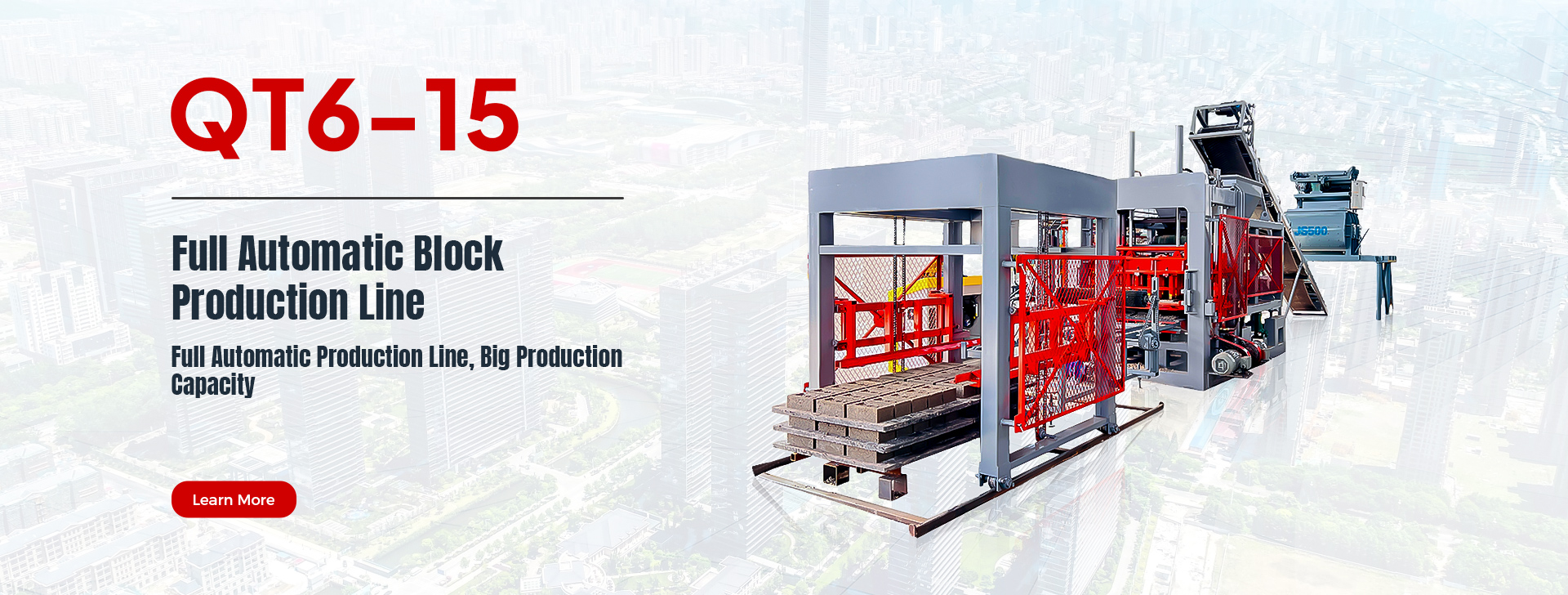
Understanding Egg Laying Block Machines
An egg laying machine, often referred to as an egg laying block machine, is a state-of-the-art concrete block making device. It efficiently lays blocks in succession on a flat surface, ensuring high productivity, reduced labor costs, and consistent quality in block production.
The Evolution of Egg Laying Machines
Since their inception in the early 20th century, egg laying machines have transformed the construction landscape. Initially designed to meet soaring demands for efficient building solutions, these machines have evolved with technological advancements, enhancing automation and versatility over time.
Types of Egg Laying Machines
Varied Machine Options
- Manual Machines: Best for smaller projects, requiring more human input.
- Semi-Automatic Machines: Like the Solid Mild Steel model, ideal for medium operations, merging manual and automated features.
- Fully Automatic Machines: Equipped with advanced computerized controls, perfect for large-scale industrial applications.
Components and Functions
Key Parts of an Egg Laying Machine
- Hydraulic System: Provides the pressure needed for block formation.
- Mould and Ram: Defines block shape and size.
- Control Panel: Oversees operational settings.
- Feeding Hopper: Channels raw materials into the machine.
- Wheels: Facilitate machine movement for laying blocks.
Working Mechanism
Process Overview
- Raw Material Feeding: Cement, sand, and aggregates enter the hopper.
- Mixing: The mix is thoroughly combined in the machine.
- Moulding: Hydraulic pressure compacts the mixture into the mould.
- Laying: The machine moves, placing blocks on the floor.
- Curing: Blocks are left to set and solidify.
Advantages of Egg Laying Machines
Efficiency and Cost-Effectiveness
These machines stand out for their high production efficiency, generating hundreds to thousands of blocks per shift. By diminishing manual labor needs, they offer notable cost savings, especially when utilizing local raw materials.
Applications and Uses
Block and Brick Varieties
Egg laying machines are adept at producing a diverse array of concrete products, such as hollow blocks, paver blocks, and interlocking bricks, catering to numerous construction scenarios.
Maintenance Tips and Troubleshooting
Routine Checks
Regular maintenance involves inspecting the hydraulic system, cleaning moulds, lubricating parts, and checking electrical connections. Addressing issues like hydraulic leaks or worn components ensures efficient machine operation.
Comparing Manual and Semi-Automatic Models
Operational Insights
- Manual Models: Cost-effective but labor-intensive, suitable for small-scale projects.
- Semi-Automatic Models: Balance cost with enhanced efficiency, ideal for medium to large projects.
Market Trends and Innovations
Recent Advancements
With recent innovations, fully automatic machines are gaining popularity, leveraging automation for precision. Moreover, eco-friendly material usage aligns with global sustainability objectives, offering greener construction solutions.
Selecting the Right Egg Laying Machine
Choosing Factors
- Production Capacity
- Automation Level
- Quality and Durability
- After-Sales Support
For those seeking cutting-edge egg laying machines, Changsha Aichen leads the industry, providing innovative solutions since 1999. Based in Changsha, China, Aichen offers superior machines and block production lines vital for sustainable construction projects globally.
Post time: 2025-09-03 19:16:08