
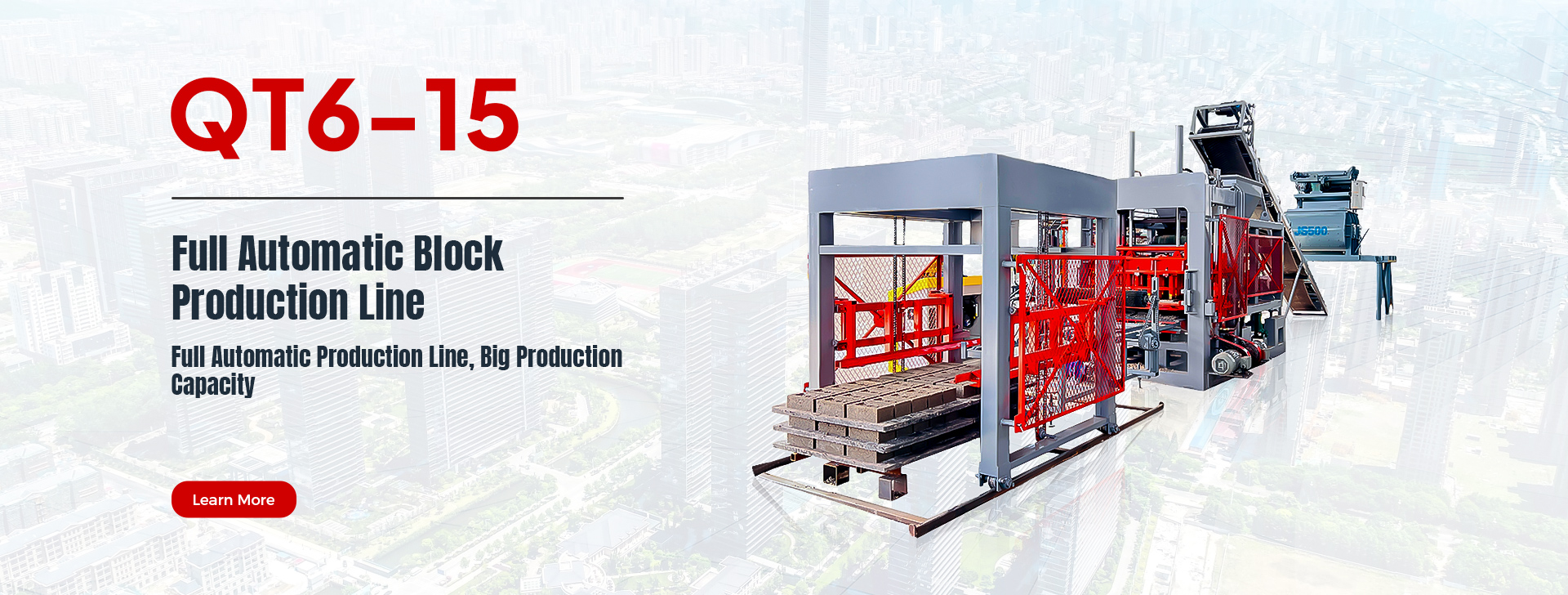
Introduction to Block Making Lines in the Construction Industry
Block making lines play a crucial role in the construction sector by efficiently producing a variety of concrete blocks. These production systems consist of several key components that work together to transform raw materials into finished products. Understanding the elements of a block making line reveals its capability to produce custom-sized blocks and its overall impact on efficient building projects.
Components of a Block Making Line
Mixing System
The mixing system is essential for ensuring consistent combination of raw materials such as cement, aggregates, and water. High-quality mixers are designed for precision, ensuring uniformity in block quality and adherence to specifications for durability and structural integrity.
Molding Machine
The molding machine is the central component of a block making line. It uses precise molds to shape mixed concrete into blocks. Interchangeable molds allow for customization, enabling the production of blocks in diverse sizes and shapes without compromising quality.
Material Storage and Distribution
Efficient systems for storing and distributing raw materials are crucial for smooth production processes. Automation in this area minimizes manual intervention and maintains consistent feed rates to mixing and molding units.
Automated Control System
An automated control system using PLCs oversees the entire production line, reducing errors and enhancing productivity. Factories with advanced control systems typically experience increased production rates and improved block quality.
Production Capacity and Efficiency
The capacity of a block making line depends on its configuration and block type. Modern machines are built for high-volume output, producing thousands of blocks daily. Automation and precise material handling maximize efficiency and operational cycles.
Numerical Parameters
- Typical production ranges from 2,000 to 5,000 blocks daily, depending on block size and machine type.
- Advanced lines can exceed these figures, making them ideal for large-scale construction projects.
Customization Capabilities of Block Machines
Modern block making lines offer the advantage of producing custom-sized blocks, catering to unique construction needs and design specifications while enhancing architectural creativity and project adaptability.
Custom Mold Adaptation
Factories can order custom molds to specific dimensions, allowing them to produce blocks tailored to specific architectural plans, which is essential for projects requiring non-standard sizes or shapes.
Technology and Automation in Production
Automation and advanced technology have transformed block production, improving efficiency and ensuring high-quality output. New technologies provide precise control over all production aspects, from raw material input to finished block quality.
Impact of Automation
Automation reduces the need for manual labor, decreases error rates, and increases production speed, ensuring efficient production even with custom specifications.
Types of Blocks Produced
Block making lines can produce a variety of block types, including standard concrete blocks, hollow blocks, paving stones, and interlocking blocks, depending on the specific requirements of construction projects.
Diversity in Production
- Standard Blocks: Typically 8x8x16 inches, used in general construction.
- Hollow Blocks: Lightweight and offer improved insulation.
- Interlocking Blocks: Facilitate easy assembly and provide enhanced structural integrity.
Material Considerations and Molding Technology
The choice of raw materials and mold technology directly impacts block quality. High-quality materials ensure durability, while precision molding guarantees adherence to exact specifications.
Material Quality
Using high-quality cement and aggregates enhances block strength and longevity, making rigorous quality checks essential to avoid structural failures.
Benefits of Using Automatic Block Machines
Automatic block machines offer increased production efficiency, consistent quality, and reduced labor costs. They optimize production processes while minimizing errors and maximizing output quality.
Cost and Time Savings
Investing in automatic machines results in significant cost savings through reduced labor and enhanced operational efficiency, providing a rapid return on investment for large-scale factories.
Importance of Routine Maintenance
Regular maintenance is vital for the longevity and efficiency of block making machines. Routine checks and part replacements help maintain optimal operation, ensuring consistent high-quality output and reduced downtime.
Maintenance Practices
- Regular cleaning and lubrication of components.
- Inspection and replacement of worn parts.
- Systematic calibration of automated systems.
Support and Services from Manufacturers
Manufacturers offer extensive support services, including installation, training, and troubleshooting, ensuring smooth factory operations and sustained high production standards.
Additional Manufacturer Services
- Onsite training for machine operation.
- Comprehensive documentation and technical support.
- Access to replacement parts and upgrades.
Aichen Provides Tailored Solutions
Aichen focuses on delivering tailored solutions for block making factories, emphasizing efficiency and customization. Their high-quality machines and comprehensive customer support ensure production lines meet unique client needs, from consultation and design to implementation and ongoing service.
Post time: 2025-09-03 18:11:59