
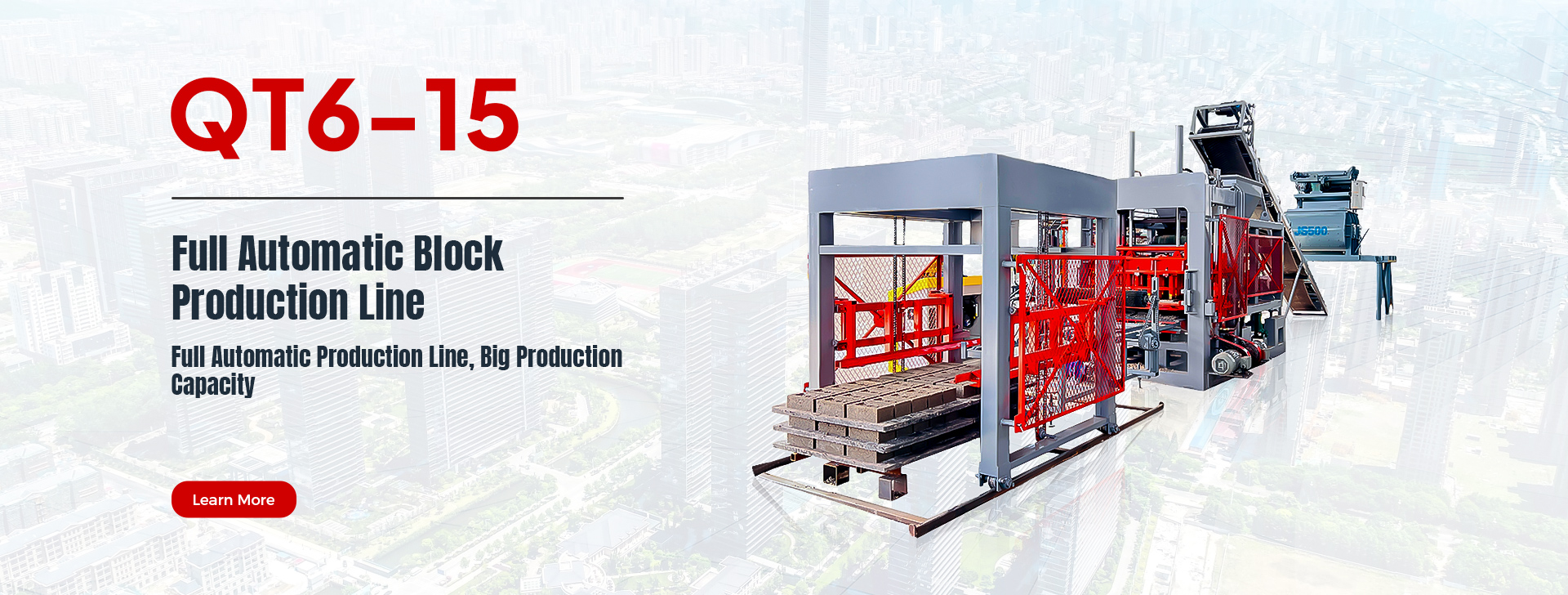
Understanding Concrete Block-Making Machines
The demand for concrete block-making machines is rising as the construction industry seeks efficient solutions to meet building material needs. These machines offer a combination of efficiency, versatility, and cost-effectiveness, revolutionizing concrete block production.
The Importance of Concrete Blocks in Modern Construction
Concrete blocks are crucial in contemporary construction due to their strength, durability, and adaptability. With global urbanization on the rise, the need for efficient building materials has grown. Concrete block-making machines significantly contribute by ensuring consistent quality and optimizing production processes to meet this demand.
Global Market Growth Projections
The global market for concrete block-making machines is experiencing strong growth. Projections indicate substantial financial milestones by 2034, driven by increased construction activities in emerging economies, especially in the Global South, where infrastructure development is prioritized.
Core Features of Block-Making Machines
- Material Handling and Mixing Units: Critical for ensuring raw materials are accurately measured and mixed, impacting the quality of the blocks.
- Molding Systems and Control Mechanisms: Provide various mold options for producing different block types and include automation for precise production.
Advantages and Drawbacks of Stationary Block-Making Machines
- Advantages: High production capacity and space efficiency; capable of producing diverse block types.
- Drawbacks: Requires concrete foundation and pallets; higher initial investment for automation.
Benefits and Limitations of Mobile Block-Making Machines
- Benefits: No need for foundations or pallets; flexibility in production location, suitable for remote sites.
- Limitations: Lower production capacity and fewer mold options; higher manual error rates.
Types of Blocks Produced by Stationary Machines
- Production of Pavers, Hollow Blocks, Curb Stones: Stationary machines can produce a wide array of block types, meeting diverse construction demands.
- Consistent Quality Through Automated Systems: Automated systems ensure precision and uniformity in block production.
Versatility of Mobile Block-Making Machines
Mobile machines are advantageous for remote projects lacking infrastructure, offering ease of setup and self-sufficiency. While cost-effective initially, operational costs must be considered.
Understanding the Block Manufacturing Process
- Mixing Raw Materials and Forming Blocks: Raw materials such as cement, aggregates, and water are mixed and molded into blocks.
- Curing Bricks for Strength and Durability: Essential for enhancing block strength and durability, ensuring they meet construction demands.
Conclusion: Choosing the Right Block-Making Machine
When selecting a concrete block-making machine, consider project-specific needs and budget constraints. Weighing factors like production capacity and site conditions against costs will ensure a well-aligned investment.
Future Trends in Block-Making Technology
Future advancements in block-making technology include enhanced automation, improved energy efficiency, and greater customization options. Staying updated on these trends can help businesses optimize operations and remain competitive.
About Aichen Changsha
Aichen, based in Changsha, China, has led the concrete block-making machine industry since 1999. The company focuses on developing and manufacturing a range of concrete-product machines, including automated block production lines and multifunction block machines. Aichen emphasizes innovation and sustainability, producing eco-friendly masonry products that serve diverse construction applications.
Post time: 2025-09-03 18:39:52