
Introduction to Concrete Block Moulding Machines
In the dynamic construction industry, demand for efficient building materials continues to surge. Automatic solid block making machines have redefined block production, delivering concrete blocks with precision and at scale. This content examines various machine types and their role in modern construction.
Overview of Machine Types
Concrete block moulding machines vary from manual and semi-automatic to fully automatic systems. Each type presents different production capacities and operational complexities. Automatic machines excel in efficiency and quality, especially suitable for large construction projects.
Importance in Construction Industry
The construction sector relies heavily on superior building materials. Automatic solid block making machines streamline block production, ensuring compliance with stringent quality standards. These machines are vital for providing a steady supply of durable blocks essential for robust structures.
Factors Influencing Machine Capacity
Impact of Model and Design
The capacity of an automatic solid block making machine is primarily determined by its model and design. Advanced models incorporate cutting-edge technology to boost efficiency and output, meeting the massive demands of large construction projects.
Role of Raw Materials
The choice of raw materials significantly affects block quality and durability. Automatic machines are engineered to utilize diverse materials like cement, sand, and aggregates, influencing both product quality and production capacity.
Small Manual Machines
Production Capabilities
Manual block moulding machines are limited in capacity compared to automated versions. They are ideal for smaller projects or where electricity access is limited, despite producing blocks with potential quality inconsistencies due to reliance on human labor.
Suitability for Small Projects
Manual machines are favorable for small-scale projects, especially in less demanding construction areas with budget constraints. Larger projects, however, benefit from the efficiency of automatic machines.
Semi-Automatic Machines
Benefits and Limitations
Serving as a middle ground, semi-automatic machines enhance production rates and reduce human error relative to manual machines, though still requiring some manual intervention.
Production Efficiency
Semi-automatic machines improve efficiency over manual alternatives through automation of key processes, though fully automatic machines are preferred for extremely high production demands.
Fully Automatic Machines
High-Capacity Production
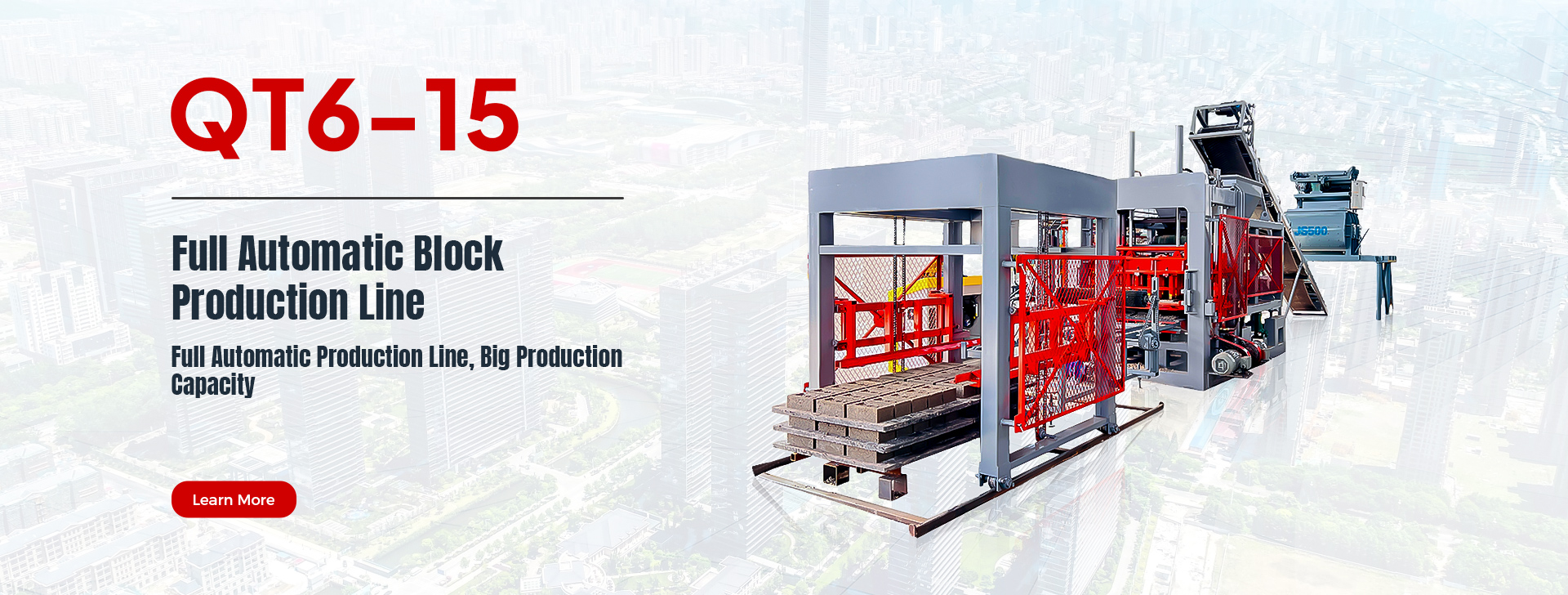
Fully automatic block making machines excel in high-capacity production, operating with minimal human intervention to ensure consistent block quality and maximize output, making them ideal for large projects.
Technological Advancements
Technological advancements have bolstered the performance of automatic solid block making machines, with features like automated stacking, curing, and packaging now commonplace, enhancing production speed and reducing manual handling.
Material Influence on Production Capacity
Types of Raw Materials Used
The versatility in handling various raw materials defines a machine's adaptability. High-end machines manage mixtures of cement, sand, and gravel without compromising block integrity.
Effects on Block Quality
Using premium materials produces strong and durable blocks. Leading manufacturers stress high-quality materials to ensure reliable and long-lasting blocks.
Operational Efficiency in Moulding Machines
Importance of Skilled Operation
Despite reduced manual intervention, operator skill is crucial in optimizing machine settings, troubleshooting, and ensuring efficient production through regular maintenance.
Maintenance and Upkeep
Regular maintenance is critical for machine longevity, identifying potential issues before they arise to maintain smooth, efficient operation.
Production Process Optimization
Workflow Improvements
Optimizing production workflows can drastically enhance facility efficiency. Automation of auxiliary processes complements the core production capabilities of block making machines.
Reducing Downtime
Minimizing downtime is essential to sustain high production rates. Implementing robust maintenance schedules and retaining skilled technical staff are pivotal strategies.
Choosing the Right Machine for Projects
Matching Capacity with Project Size
Selecting the appropriate block making machine involves assessing project production needs. High-capacity automatic machines suit large ventures, while smaller projects benefit from cost-effective manual or semi-automatic solutions.
Cost Versus Benefit Analysis
Investing in automatic solid block making machines demands a cost-benefit analysis. While initial costs are higher, the long-term efficiency and quality benefits often justify the investment.
Future Trends in Block Moulding Technology
Innovations in Machine Design
The future of block moulding technology promises ongoing innovation, focusing on energy efficiency, smart technology integration for real-time monitoring, and increased material and design versatility.
Sustainable Production Practices
Sustainability is becoming a priority. Machines are designed to minimize waste, utilize recycled materials, and reduce energy consumption, aligning with global environmental responsibility efforts in construction.
Conclusion: Choosing Aichen for Superior Block Making Solutions
Changsha Aichen, based in Hunan, China, leads in the concrete block making machine industry, offering fully automatic, semi-automatic, and multifunction machines. Adhering to quality standards, Aichen delivers eco-friendly and versatile concrete solutions essential for construction and landscape design.
Post time: 2025-09-03 19:05:55