
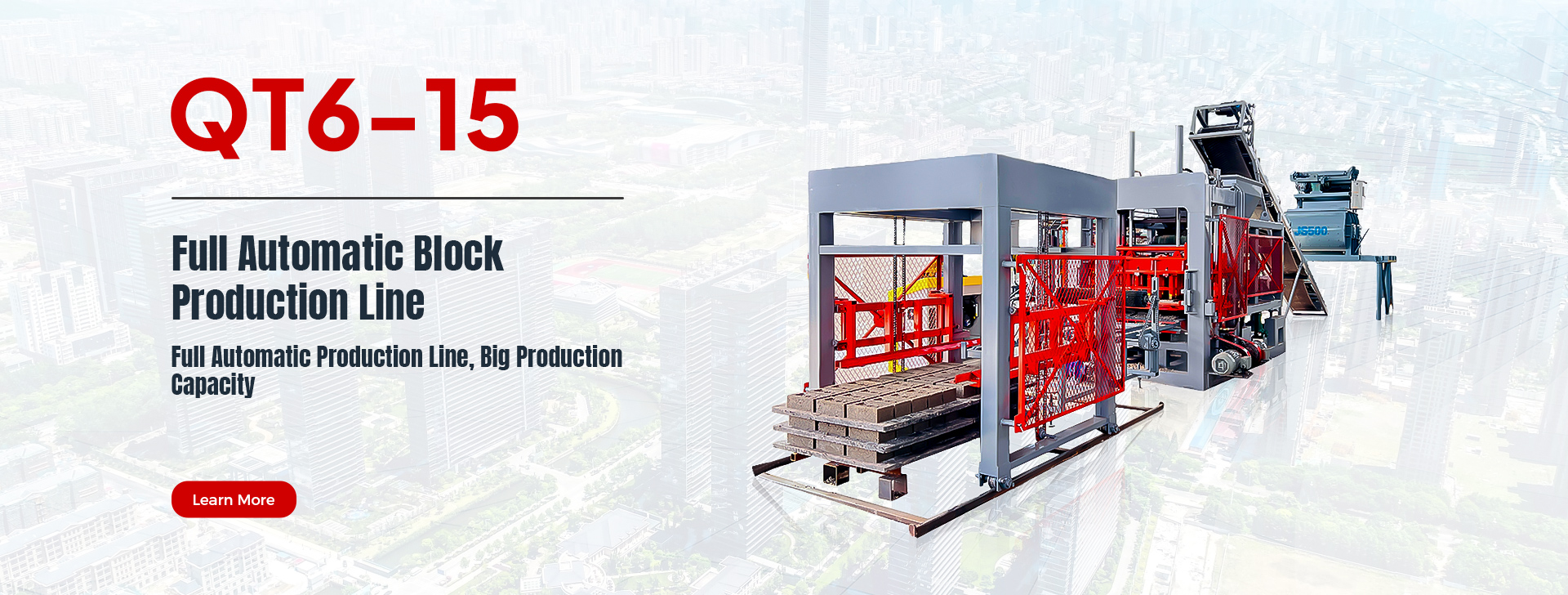
Common Issues in Automatic Hollow Block Machines
Incorrect mix ratios stand out as a significant problem in the operation of automatic hollow block machines. When the proportions of cement, sand, and aggregates are imbalanced, structural weaknesses can occur in the blocks produced. Adhering to specified mix ratios is vital for maintaining block integrity.
Importance of Accurate Mix Ratios
Achieving the desired strength and uniformity in blocks hinges on accurate mix ratios. An incorrect mix can lead to brittle, weak, or irregular blocks, compromising performance and safety. Automated systems require precise calibration to consistently maintain these ratios.
The Role of Curing Practices in Block Quality
Curing practices significantly affect the final strength of hollow blocks. Improper curing, marked by inadequate moisture or time, often results in poor block durability. A controlled environment for curing is essential to prevent defects.
Ideal Curing Conditions
Maintaining proper moisture levels and sticking to recommended curing times are crucial. For example, keeping blocks in a humid environment for at least seven days can markedly enhance their strength and durability, ensuring proper cement hydration and block integrity.
Impact of Raw Material Quality on Production
Using high-quality raw materials is essential to ensure blocks meet necessary durability and strength standards. Substandard materials, such as contaminated or poorly graded aggregates, can compromise the quality of blocks.
Parameters for Raw Material Quality
- Purity of aggregates
- Strength grade of cement, e.g., OPC (Ordinary Portland Cement) with a compressive strength of 53 MPa
Importance of Machine Calibration and Settings
Regular calibration of block making machines is crucial to avoid production inconsistencies. Incorrect pressure settings or vibration frequencies can lead to uneven block surfaces or dimensional inaccuracies.
Optimal Machine Settings
- Pressure: Typically around 500 to 700 kN
- Vibration frequency: Typically around 50 to 60 Hz
Tackling Insufficient Compaction
Proper compaction is necessary to avoid air pockets in blocks, which can weaken structures. Effective compaction increases block density and eliminates voids, essential for producing high-quality blocks.
Impact of Proper Compaction
Monitoring compaction processes closely guarantees the production of high-quality blocks, enhancing block density and ensuring structural integrity.
Addressing Operator Errors in Machine Handling
Human errors in the operation of automatic block machines can lead to defects and inefficiencies. Consistent training and adherence to operational protocols are critical to minimizing these errors.
Training Programs for Operators
Implementing comprehensive training programs can reduce the mishandling of machinery, ensuring operators remain proficient through regular updates and refreshers on machine operation.
Importance of Regular Maintenance
Neglecting regular maintenance of block-making machines can result in wear and tear, leading to malfunctions and reduced block quality. Proactive maintenance schedules are necessary to ensure smooth machine operations.
Maintenance Frequency and Checklist
- Regular maintenance as per manufacturer recommendations
- Lubrication and cleaning of key components
- Focus on mold assembly and hydraulic systems
Challenges with Technological Integration
Integrating advanced technologies in block making processes presents challenges, including software compatibility and system synchronization issues.
Simplifying Technological Integration
A modular approach to technology integration can ease compatibility issues, supported by engaging technology specialists for installation and setup for smoother transitions.
Economic Barriers to Technological Adoption
The high initial cost of advanced block-making technologies poses a barrier, particularly for small and medium enterprises. Exploring cost-effective solutions is crucial.
Cost-Effective Solutions for Manufacturers
Leasing options or financing programs can mitigate upfront costs, granting manufacturers access to high-quality technology with a lower initial investment.
Addressing Technological Obsolescence
Rapid technological advancements can lead to equipment obsolescence. Continuous upgrades are necessary to maintain competitive manufacturing capabilities and block quality.
Strategic Equipment Upgrades
Planning regular equipment assessments and strategically scheduling upgrades ensures sustained operational efficiency and alignment with industry advancements.
Aichen Solutions for Common Block Production Issues
Aichen provides comprehensive solutions to tackle these common issues. Investing in high-quality machinery, conducting regular maintenance, and ensuring operator training are critical steps. Implementing precise calibration and consistent monitoring can significantly enhance block quality.
Accessible Technology Solutions
Aichen offers affordable solutions through financing and leasing options, making high-quality technology accessible to all manufacturers and improving overall production efficiency and block integrity.
Post time: 2025-09-03 18:15:25