
Understanding Brick Machine Weights: Key Considerations
The weight of a brick machine is a critical aspect for anyone involved in the construction sector. Knowing how much a brick machine weighs can guide decisions around its transportation, setup, and operational capabilities. Here, comprehensive insights are provided on the factors affecting brick machine weight, different machine types, and the implications of weight on performance and cost.
Factors Affecting Brick Machine Weight
- Machine Size and Dimensions: The size and dimensions play a significant role in the weight of a brick machine. Machines designed for high-volume production have larger frames and components, adding to their weight.
- Materials Used in Construction: The choice of materials significantly impacts machine weight. High-strength steel and heavy-duty alloys ensure durability but increase weight, whereas lighter materials may compromise on longevity and efficiency.
Types of Brick Machines and Their Weights
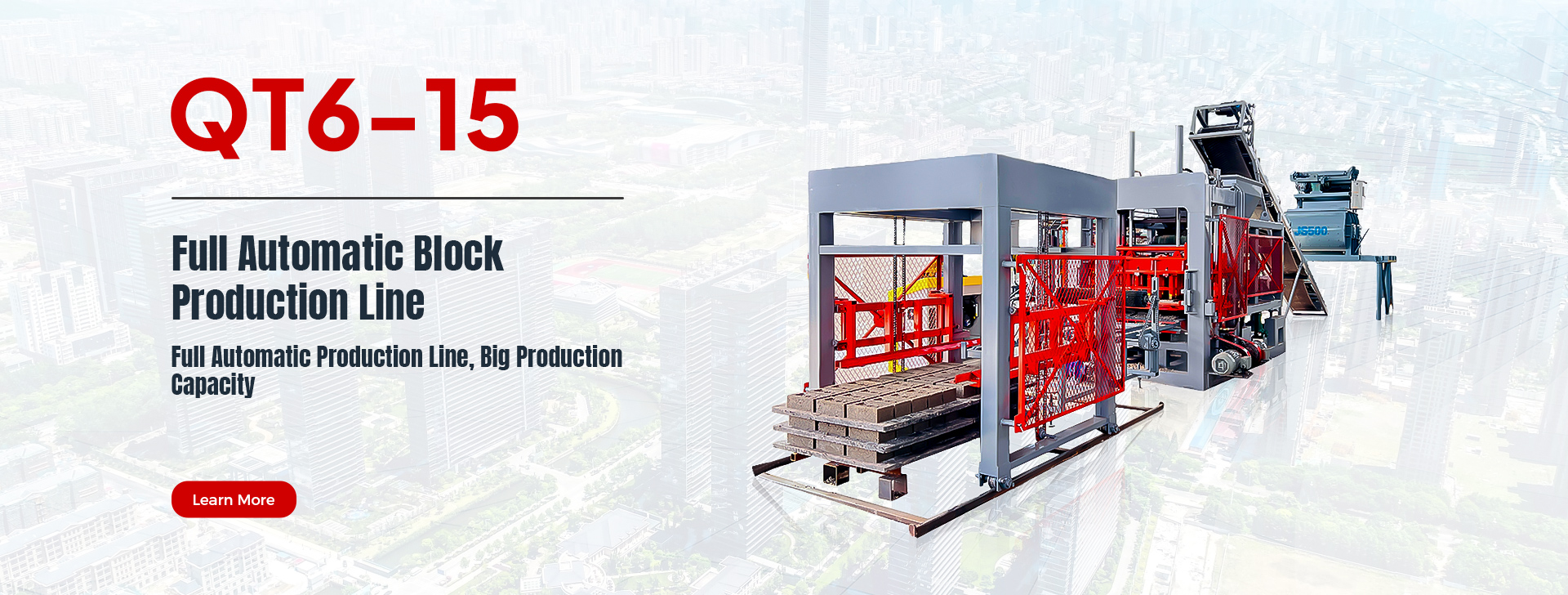
- Fully Automatic Machines: These are the heaviest, weighing between 10,000 kg and over 20,000 kg, equipped with advanced automation features.
- Semi-Automatic Machines: Lighter than fully automatic types, these machines weigh between 5,000 kg and 10,000 kg, providing a balance between manual and automated operations.
Components Contributing to Machine Weight
- Hydraulic Systems: Essential for high-volume production, hydraulic systems add significant weight due to their pumps, motors, and cylinders.
- Electric Control Panels: These panels house essential automation components, contributing to the machine's overall weight, especially in advanced models.
Weight Impact on Machine Performance
The weight of a brick machine influences its stability and efficiency. Heavier machines tend to offer more stability and consistent quality, but also pose challenges during transportation and installation, often requiring specialized handling and reinforced foundations.
Weight and Cost Considerations
- Impact on Pricing: Heavier machines with high-quality materials and sophisticated components usually come at a higher price, along with increased transport and installation costs.
- Long-Term Cost Implications: Despite higher upfront costs, heavier machines can offer long-term savings through durability and reduced maintenance needs, enhancing return on investment.
Maintenance and Operational Weight Factors
The weight of a brick machine affects its maintenance; sturdy machines typically require less frequent repairs but may need specialized equipment for maintenance tasks, impacting complexity and cost.
Choosing the Right Brick Machine Weight
Balancing weight with other factors such as production needs, cost, and maintenance is crucial. Industrial operations may benefit from heavier machines, while lighter models can be ideal for smaller projects. Consider wholesale prices and supplier options when investing in a brick machine.
About Aichen
Aichen is renowned for manufacturing premium quality brick making machines, offering tailored solutions to meet diverse production requirements. From fully automatic to semi-automatic models, Aichen provides exceptional service, including custom design, installation, and training to ensure optimal operation.
Post time: 2025-09-03 19:09:28