
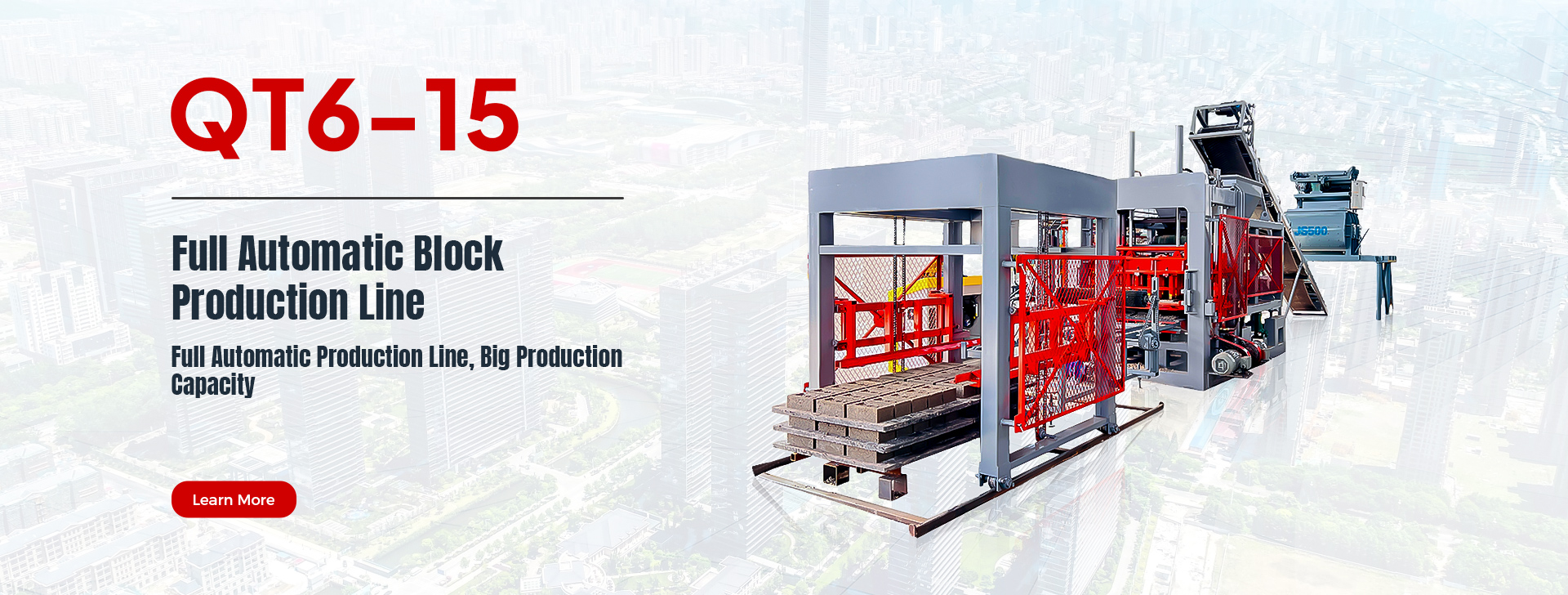
Solid Block Making Machines: Revolutionizing Construction Efficiency
In today's construction industry, achieving efficiency and maintaining quality are essential. Solid block making machines have become invaluable tools in modern construction projects, streamlining concrete block production—a critical component in construction. Understanding their role and functionality is crucial as the global demand for concrete products continues to rise.
Significance in Modern Construction
Solid block making machines are pivotal in the construction industry due to their ability to produce high-quality concrete blocks efficiently. With the global market for concrete block making machinery projected to reach $517 million by 2034, these machines play a critical role. They reduce manual labor, increase production rates, and ensure consistent block quality, thus enhancing project timelines and outcomes.
Global Demand and Market Expansion
The rising global demand for concrete, especially in developing regions, highlights the importance of investing in solid block making machines. As the Global South industrializes and urbanizes, the quest for reliable, cost-effective construction solutions intensifies. Solid block making machines present a viable solution, supporting rapid infrastructure growth while maintaining superior construction standards.
Core Features of Solid Block Making Machines
Efficient Material Handling Systems
Material handling systems are integral to the efficiency of solid block making machines. They facilitate smooth transportation of raw materials like cement and aggregates to the mixing unit, reducing manual labor and enhancing production speed. This automation is a key factor in manufacturing high-quality solid block making machines.
Advanced Mixing and Molding Units
The mixing unit is where the essential blend of cement, aggregates, and water occurs, forming the ideal concrete mix. The molding system then shapes this mix into solid blocks, utilizing pressure and vibration to ensure uniformity and strength. This process is crucial for manufacturers aiming to produce affordable solid block making machines without compromising on quality.
An Overview of Stationary Block Making Machines
High Production Capacity and Space Requirements
Stationary machines are renowned for their impressive production capacities, ranging from 500 to 12,000 blocks per eight-hour shift, making them ideal for large-volume projects. However, they require substantial setup space, including a concrete foundation, which can influence buyers contemplating a solid block making machine factory.
Diverse Molds and Output Versatility
These machines can accommodate a variety of molds, producing different block types, including hollow blocks, pavers, and curb stones. This versatility makes them a favored choice for projects requiring diverse block outputs, aligning with the needs of a solid block making machine manufacturer.
Advantages and Limitations of Mobile Block Making Machines
Flexibility and Mobility Benefits
A key advantage of mobile block making machines is their mobility. They can be easily transported to various sites, eliminating the need for pallets and heavy foundations—beneficial for projects lacking infrastructure or located in remote areas.
Trade-offs in Production Capacity
While mobile machines offer flexibility, they typically have lower production capacities compared to stationary counterparts, ranging from 100 to 4,000 blocks per eight-hour shift. They are best suited for smaller scale projects or those with extended timelines where production capacity is not the primary concern.
Making the Right Choice Between Stationary and Mobile Machines
Cost and Investment Considerations
Investing in a stationary block making machine generally involves higher initial costs due to setup requirements and automation features; however, they offer greater production efficiency. In contrast, mobile machines are more cost-effective upfront, appealing to buyers seeking an affordable solid block making machine solution.
Project Suitability
Stationary machines are ideal for large-scale projects with high production demands, while mobile machines are perfect for smaller projects or those in remote locations. Understanding these distinctions aids buyers in purchasing the right machine to meet their specific project needs.
The Concrete Block Manufacturing Process
Preparation of Raw Materials
The manufacturing process begins with preparing raw materials—cement, aggregates, and water—in precise ratios. This step is crucial for achieving the desired block strength and quality, an essential factor for a solid block making machine manufacturer.
Forming and Curing Steps
Once the materials are mixed, they are shaped into blocks using molds. The blocks then undergo a curing process to maximize their strength and durability, ensuring they meet industry standards for construction applications.
Technological Advancements in Block Making Machines
Automation and Control Systems
Modern machines are equipped with advanced automation and control systems that minimize manual intervention and optimize production processes. These systems ensure precision and consistency, essential for manufacturing high-quality solid block making machines.
Impact on Production Efficiency
Automation has significantly boosted production efficiency, enabling faster turnaround times and greater output. These advancements are crucial for manufacturers aiming to remain competitive in a growing market.
Selecting the Right Machine for Your Project
Assessing Project Requirements and Location
Buyers should evaluate their project requirements, including block types and production volumes, before deciding. Location also plays a crucial role, as remote sites may benefit more from mobile machines.
Considering Budget and Time Constraints
Budget and project timelines influence the choice between stationary and mobile machines. Assessing these factors helps buyers choose the most cost-effective and efficient solution for their construction needs.
Environmental Impact and Sustainable Practices
Eco-friendly Material Options
Manufacturers now offer eco-friendly materials that reduce the carbon footprint of block production. These innovations are vital for buyers seeking sustainable construction solutions.
Energy Efficiency in Production
Modern block making machines are designed to be energy-efficient, reducing operational costs while supporting environmental goals. These features are essential for manufacturers committed to green construction practices.
Future Trends in the Block Making Industry
Innovations in Design and Functionality
Future innovations in design and functionality are expected to enhance machine capabilities, offering increased versatility and efficiency. These advancements promise to redefine industry standards.
Market Predictions and Technological Integration
The integration of new technologies, such as IoT and AI, is set to transform the block making process, providing smarter, more efficient solutions for construction projects worldwide.
Company Spotlight: Aichen Changsha
Located in Changsha, Hunan, China, Aichen has spearheaded concrete block making innovation since 1999. Specializing in high-quality machine research, development, and manufacturing, Aichen's portfolio includes brick machines, block forming machines, and various automated production lines that adhere to global technology and quality standards. Utilizing economical and green materials, Aichen's concrete masonry products are extensively used across construction and landscaping applications, playing a key role in sustainable building practices and soil erosion control.
Post time: 2025-09-03 18:33:53