
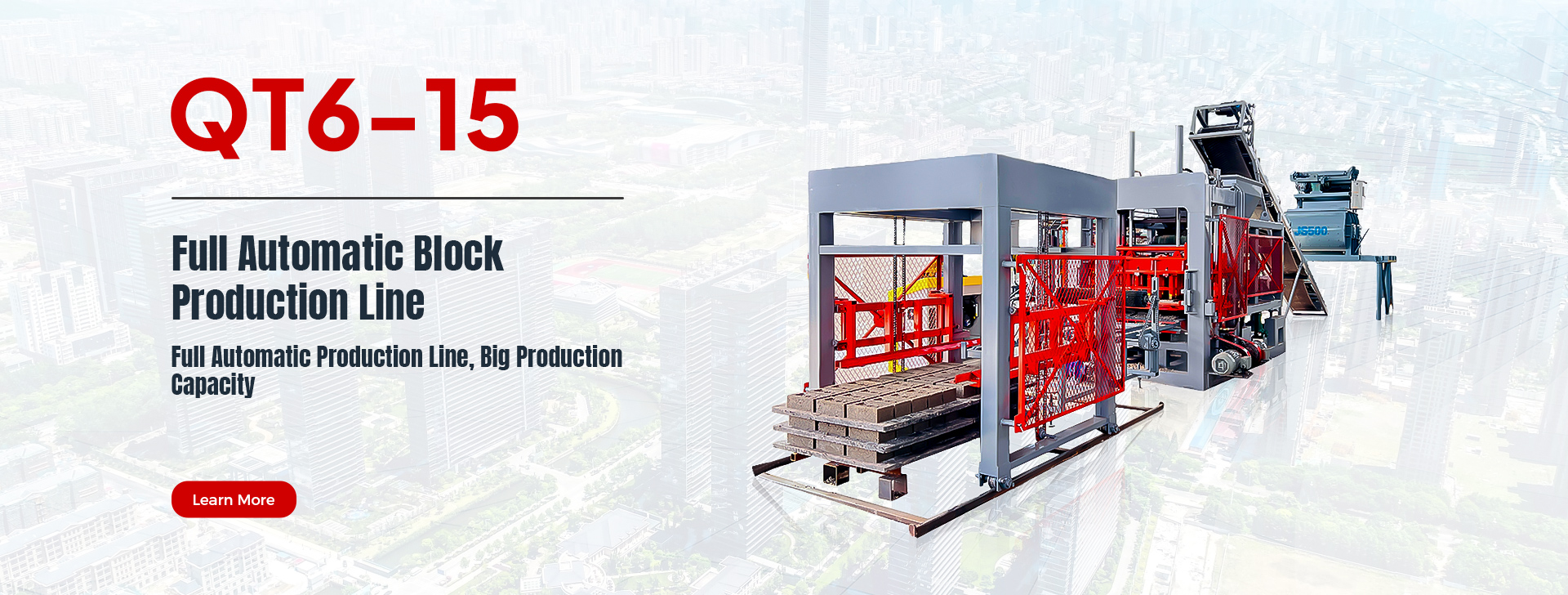
Essential Guide to Block Laying Machine Maintenance
Block laying machines are indispensable in the construction industry, crucial for producing the high-quality blocks required for building infrastructure. To ensure these machines function optimally, a rigorous maintenance routine is paramount. This guide delves into the importance of regular maintenance, offering insights into maximizing efficiency, lifespan, and return on investment.
Maximizing Long-Term Efficiency
A well-maintained block laying machine can sustain up to 90% efficiency throughout its lifespan. In contrast, neglect can lead to a significant 40% drop in efficiency within a few months. Regular inspections and servicing play a vital role in identifying potential issues early, ensuring long-term efficiency.
Optimizing Return on Investment
High-quality block laying machines necessitate a higher initial investment but promise prolonged lifespan and minimized downtime. Cheap alternatives may save on initial costs but often lead to frequent repairs and replacements, increasing long-term expenses.
Establishing a Routine Maintenance Schedule
A structured maintenance schedule can reduce annual maintenance costs by up to 25%. Regular upkeep helps avoid major breakdowns, ensuring machines remain in excellent working condition.
- Daily Inspections: Check for loose bolts or misaligned parts, clean surfaces, and inspect for corrosion in outdoor environments.
- Weekly Tasks: Lubricate moving parts and inspect hydraulic and electrical systems.
Lubrication Practices for Optimal Performance
Lubrication is critical, accounting for up to 50% of preventive maintenance tasks. Use manufacturer-recommended lubricants to prevent damage.
- Right Lubricants: Select appropriate oil and grease for varying temperatures and conditions.
Regular Inspections and Component Checkups
Frequent inspections prevent major failures by identifying minor issues. Key components like molds and conveyor belts need special attention.
- Key Parts to Inspect: Molds for wear and deformation, conveyor belts for tears, and motors for unusual noises.
Cleaning and Storage Considerations
Proper cleaning and storage reduce maintenance requirements by up to 30%. Maintain machinery performance through routine cleaning and optimal storage conditions.
- Cleaning Routine: Remove dirt and debris daily, and inspect sensors for dust.
- Optimal Storage: Store machinery in covered areas to avoid rust and damage from harsh weather.
The Role of Training in Machine Maintenance
Well-trained operators can significantly enhance maintenance routines, reducing frequency by up to 15%.
- Operator Training Program: Educate operators on daily maintenance tasks and operational limits.
Timely Replacement of Worn Parts
Immediate replacement of worn parts prevents extensive damage and costly repairs. Neglecting minor issues can double repair expenses.
- Common Parts to Replace: Belts and hoses after 500 to 1,000 hours of use, filters monthly or as recommended.
Utilizing High-Quality Replacement Parts
High-quality replacement parts enhance machine integrity, increasing the lifespan by 20%. Always source parts from manufacturers or authorized dealers.
Tracking Maintenance Success and Performance
Maintain detailed logs of all maintenance activities to track the effectiveness of your efforts and make necessary adjustments for improved performance.
- Key Performance Metrics: Track downtime, repair costs, and document all activities.
- Log Keeping: Document inspections, repairs, and part replacements to enhance procedures.
For expert guidance on block laying machine maintenance, Aichen offers tailored solutions to meet specific requirements. Connect with us for a maintenance plan designed to maximize your equipment's productivity and minimize repair costs and downtime.
Post time: 2025-09-03 18:21:06