
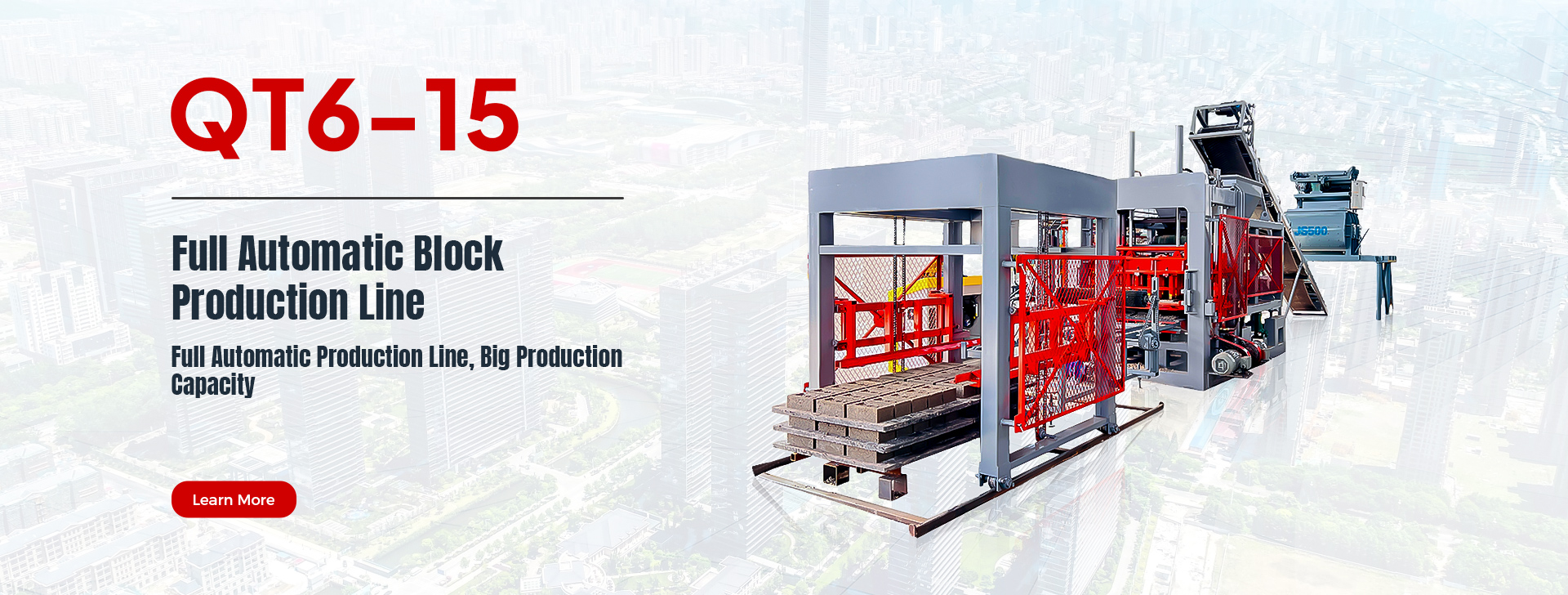
Technological Advancements in Block Making: Paving the Way for Modern Construction
The construction and manufacturing industries continuously evolve with technological innovations, significantly transforming traditional practices. Within the block-making sector, fully automatic block making machines have emerged as game-changers, enhancing efficiency, quality, and cost-effectiveness. This article provides a comprehensive guide to the advantages of investing in fully automatic block making machinery.
Efficiency: Comparing Fully Automatic and Manual Machines
- Speed of Production: Fully automatic machines offer unparalleled production speed, automating the entire process from mixing raw materials to curing and stacking blocks.
- Higher Output Volume: Capable of operating 24/7 with minimal supervision, these machines meet the demands of large construction projects with ease.
Quality Control: Uniformity in Block Production
- Machine-Controlled Precision: Advanced technology ensures precise and uniform block sizes, shapes, and strength, crucial for construction integrity.
- Minimized Human Error: Automation reduces inconsistencies tied to manual processes, setting new quality standards.
Cost Analysis: Weighing Initial Investment Against Long-term Savings
- Initial Costs: Though higher, the investment in automation pays off with substantial long-term gains.
- Labor Cost Reductions: Automation decreases reliance on manual labor, leading to significant savings on wage and training expenses.
Operational Ease: Streamlining Labour Efforts
- Minimal Human Intervention: These machines require less manual input, allowing operators to focus on supervision and maintenance.
- Skills and Training: While technical skill is necessary for operation, trained personnel enjoy a simplified, less physically demanding environment.
Flexibility and Adaptability in Production
- Diverse Production Needs: Fully automatic machines can produce various block types and sizes, catering to different client requirements.
- Small-Scale Suitability: Even smaller manufacturers can benefit from scalable output without stretching resources.
Technological Integration: Intelligent Control Systems
- Real-Time Monitoring: Intelligent systems enable immediate issue detection and resolution, enhancing efficiency.
- Optimized Processes: Advanced algorithms ensure optimal conditions for each production step, reducing waste and improving quality.
Maintenance and Downtime Considerations
- Repair Costs: Regular maintenance is essential to prevent costly repairs, necessitating investment in reliable equipment.
- Skillful Maintenance: Trained technicians are vital for ensuring optimal machine performance and minimizing downtime.
Safety and Worker Fatigue Reduction
- Enhanced Safety: Automation decreases manual labor, reducing workplace injury risks and promoting safety.
- Risks of Manual Labor: Automated systems mitigate risks of repetitive strain injuries and machinery accidents.
Market Suitability: Selecting the Right Machine
- Production Needs Assessment: Evaluating production goals helps in selecting the most suitable machine model.
- Budget and Value: Balancing cost with long-term value ensures greater satisfaction and investment returns.
The Future of Block Moulding Technologies
- Innovations in Automation: Ongoing advancements promise even more efficient and user-friendly machines.
- Sustainability Efforts: Future machines may incorporate eco-friendly features, reducing environmental impacts.
Company Introduction: Aichen Changsha
Aichen, based in Changsha City, China, leads in concrete block machine manufacturing. Since 1999, the company has dedicated itself to producing economical and environmentally-friendly concrete products, supporting construction and landscaping applications.
Post time: 2025-09-03 18:53:27